

The community plays a vital role in enhancing road safety through collaborative efforts with local governments. Key insights include:
1. Community education on select road safety tips like winter driving practices and traffic rules for children significantly reduces accidents.
2. Informational sessions on tasks like highway tire-changing empower drivers to handle emergencies.
3. Active community engagement ensures contextually relevant, sustained road safety strategies.
Critical areas for focus include:
– Fostering safe driving habits in wet weather (e.g., using ABS, reducing speed) for a 20% annual crash reduction.
– Educating new drivers through programs emphasizing focus, seatbelts, and speed limits, plus VR simulations.
– Multi-faceted approach combining education, technology, and community engagement to prevent common traffic accidents.
Success measured through community engagement, traffic record analysis, and resident skill improvement, with regular post-intervention assessments.
Road safety is a paramount concern globally, with communities continually seeking innovative solutions to mitigate risks and protect lives. The current landscape presents numerous challenges, from increasing traffic congestion to the rise in distracted driving. These issues demand concerted efforts to implement effective road safety tips that cater to both drivers and pedestrians. This article delves into the community-driven initiatives aimed at constructing safer roads, highlighting successful strategies and best practices that can serve as models for other regions. By examining these collaborative efforts, we gain valuable insights into enhancing road safety while fostering vibrant and secure communities.
- Understanding Community's Role in Road Safety
- Assessing Local Road Hazards and Needs
- Implementing Select Road Safety Tips for All Ages
- Measuring Success: Evaluating Community Impact on Road Safety
Understanding Community's Role in Road Safety

The role of the community in road safety cannot be overstated. Effective road safety strategies are often a collaborative effort between local governments, transportation authorities, and the residents themselves. Understanding and harnessing this collective power is essential to creating safer roads and reducing traffic accidents. Communities play a pivotal role in identifying unique challenges, implementing tailored solutions, and fostering a culture of vigilance and responsibility among drivers and pedestrians.
One significant aspect of community involvement is educating and raising awareness about road safety tips. For instance, promoting safe winter driving practices every motorist should know can significantly reduce risks during harsh weather conditions. Similarly, teaching children about road safety at an early age is crucial. According to recent studies, children who learn proper road safety measures from a young age exhibit better judgment and understanding of traffic rules as adults. This can be achieved through school programs, community workshops, and parent-child activities that make learning fun and interactive.
Moreover, when it comes to tasks like changing tires on highways, communities can play a vital role in reducing risks. Providing clear guidelines and holding informational sessions on safe tire-changing practices in various weather conditions empowers motorists to handle such situations confidently. These efforts not only enhance individual safety but also contribute to overall road security by empowering every driver to be a responsible road user.
By actively engaging the community, implementing their insights, and adopting a proactive approach, we can create a network of safer roads. This collaborative effort ensures that road safety strategies are contextually relevant, practically applicable, and sustained over time.
Assessing Local Road Hazards and Needs

Assessing local road hazards and needs is a crucial first step in constructing safe roads within communities. This process involves a comprehensive evaluation of existing road conditions, traffic patterns, and potential risks to both road users and nearby residents. By identifying specific challenges, such as high accident rates, inadequate signage, or poor lighting, community leaders and transportation planners can prioritize improvements that have the greatest impact on safety. For instance, data from the National Highway Traffic Safety Administration (NHTSA) reveals that well-designed and maintained roads, coupled with effective traffic control measures, can significantly reduce crash numbers, particularly in areas with high pedestrian and bicycle activity.
A key aspect of this assessment is gauging children’s understanding of road safety, as they are often vulnerable road users. Engaging local schools and community groups in this process allows for tailored interventions, such as educational programs that teach young people about safe crossing behaviors and the importance of adhering to traffic signals. Additionally, maintaining safe following distances in traffic is a critical tip for both drivers and pedestrians. Simple practices like allowing at least three seconds between you and the vehicle ahead can greatly enhance safety, especially during unpredictable weather conditions or in areas with frequent construction activities.
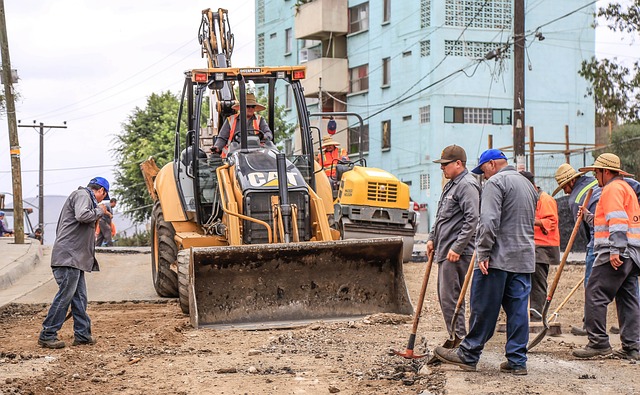
Construction zones pose unique challenges that necessitate specific road safety tips. Drivers should anticipate slower speeds, narrowed lanes, and frequent stops, adjusting their driving accordingly to maintain a safe distance from both the vehicles ahead and workers on the side of the road. Implementing temporary traffic control measures, such as cones and signage, can help regulate vehicle flow and protect construction workers and nearby residents. Moreover, utilizing innovative technologies like road sensors and advanced signaling systems can provide real-time data on traffic patterns, enabling more efficient management of safety concerns in dynamic road environments.
Implementing Select Road Safety Tips for All Ages

Creating safe roads is a community effort that requires implementing targeted road safety tips tailored to different ages and situations. One crucial area of focus is fostering safe driving habits for wet weather conditions, which significantly impact accident rates. According to recent data, adverse weather accounts for nearly 20% of all traffic fatalities annually. Therefore, educating drivers on adaptive maneuvers and maintaining proper vehicle maintenance is paramount. For instance, using anti-lock braking systems (ABS) and adjusting speed according to road conditions can prevent skidding and improve control during heavy rain or snow.
New drivers, particularly teenagers, pose a significant challenge due to their lack of experience. Implementing driver safety tips for beginners is essential in mitigating common traffic accidents. Programs that emphasize the importance of staying focused, wearing seatbelts, and adhering to speed limits have shown promising results. Additionally, virtual reality simulations can help new drivers prepare for various high-risk scenarios, fostering more confident and safe driving habits from the outset.
Preventing common traffic accidents involves a multi-faceted approach. Infrastructure improvements, such as better lighting and signage, play a vital role in enhancing visibility and driver awareness. Community initiatives that promote peer-to-peer learning and encourage regular refresher courses for all ages can significantly reduce accident rates. By combining education, technological advancements, and community engagement, we can create a safer road environment for everyone, ensuring that our roads are not just passable but genuinely secure.
Measuring Success: Evaluating Community Impact on Road Safety
Measuring success in community efforts for road safety involves evaluating the impact on various aspects crucial to reducing accidents and enhancing overall security. One effective approach is adopting comprehensive metrics that capture both immediate and long-term effects. For instance, tracking the number of active participants in road safety campaigns and workshops provides insight into community engagement. Success can also be gauged by analyzing changes in local traffic records, focusing on metrics like accident frequency, severity, and types over a defined period.
Community impact extends beyond statistical changes. It involves empowering residents with knowledge and skills to navigate roads safer. This includes educating drivers on strategies for coping with traffic congestion during long drives, such as maintaining a safe following distance and using navigation tools efficiently. Moreover, providing how-to guides and demonstrations on child car seat installation can significantly improve safety for younger passengers, ensuring parents are equipped with the necessary tips for different ages and stages.
Experts recommend regularly conducting post-intervention assessments to validate the effectiveness of community efforts. These evaluations should consider feedback from participants, local authorities, and emergency services. By integrating such data, communities can refine road safety initiatives, adapt them to unique needs, and ensure continuous improvement. This iterative process not only enhances overall road safety but also fosters a culture of vigilance and responsibility among residents.
By empowering communities to take an active role in road safety, we can implement effective solutions tailored to local needs. Assessing hazards and involving residents in decision-making ensures that Select Road Safety Tips are contextually relevant and impactful. Measuring success through community impact allows us to evaluate progress and make data-driven adjustments. This collaborative approach fosters sustainable improvements, ultimately reducing risks and enhancing the well-being of all road users.