

Community involvement is crucial for enhancing road safety through Select Road Safety Tips. This involves educating drivers and pedestrians, improving signage and lighting, promoting traffic rules at crosswalks, and addressing local hazards. Data shows significant improvements with open dialogue between residents, authorities, and planners. Key strategies include dedicated bike lanes, improved street lighting, reflective signage, safe crosswalk designs, and educational programs for beginners. Monitoring progress through inspections, data analytics, and community feedback ensures ongoing safety enhancements. Regular updates and dissemination of Select Road Safety Tips foster an enduring culture of road safety.
In a world where road accidents remain a leading cause of injury and death globally, constructing safe roads has become an imperative for communities worldwide. The problem lies not only in the physical design of roads but also in the behaviors and habits of drivers, pedestrians, and cyclists. To address this, we must adopt a multifaceted approach, incorporating robust Road Safety Tips and community engagement strategies. By fostering collaboration between local governments, transportation experts, and residents, we can create roads that are not just navigable, but truly safe for all users.
- Understanding Community's Role in Road Safety
- Assessing Local Road Hazards and Needs
- Implementing Selected Road Safety Tips
- Monitoring Progress & Enhancing Road Safety Culture
Understanding Community's Role in Road Safety

The community plays a pivotal role in constructing safe roads and fostering road safety culture. Understanding public involvement is essential to address various aspects of road safety, from preventing accidents to mitigating road rage. By integrating Select Road Safety Tips into daily practices, residents can significantly contribute to creating a safer environment.
Community efforts should focus on educating drivers and pedestrians alike. Promoting awareness about avoiding road rage triggers and implementing solutions tailored to local needs is crucial. For instance, establishing clear signage and improving street lighting in residential areas can reduce speeding and enhance overall security. Safe parking practices, including secure vehicle storage in well-lit, monitored locations, also deter crime and promote peace of mind for residents.
Pedestrians’ rights at crosswalks and signals must be emphasized to ensure their safety. Educating both drivers and pedestrians about the importance of adhering to traffic rules and respecting each other’s space can prevent accidents and create a more harmonious road environment. Data indicates that active community engagement in these areas leads to substantial improvements in road safety metrics, including reduced accident rates and lower injury severity.
Moreover, fostering open dialogue between residents, local authorities, and transportation planners facilitates the identification of unique challenges within each community. Collaboratively addressing these issues through tailored strategies ensures that road safety efforts remain relevant, effective, and responsive to evolving needs. By embracing a proactive approach, communities can build upon successful initiatives and continuously enhance their road safety infrastructure.
Assessing Local Road Hazards and Needs
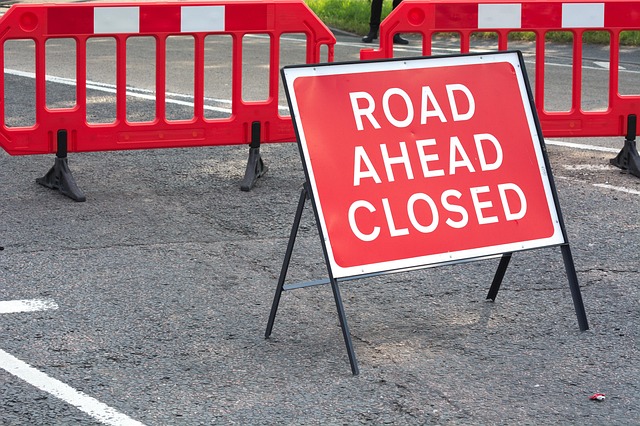
Assessing local road hazards and needs is a critical step in constructing safe roads within communities. This process involves meticulous observation, data collection, and analysis to identify both immediate dangers and underlying issues that contribute to accidents. Experts recommend starting with a comprehensive survey, factoring in variables like traffic volume, speed limits, nearby land uses, and existing infrastructure. For instance, schools or high-pedestrian areas necessitate distinct safety measures compared to rural roads or highways.
Consider the prevalence of emergencies on the highway: what to do? This informs the prioritization of road safety tips tailored to local needs. For example, if bicycle safety rules for kids are a concern, installing dedicated bike lanes and implementing educational programs can significantly reduce conflicts. Similarly, preventing common traffic accidents requires addressing specific hazards; this might include improving street lighting in dark areas or adding reflective signage to enhance visibility during emergencies. Data from transportation authorities can guide these decisions by highlighting accident hotspots and the types of crashes that occur most frequently.
Community engagement is integral to this phase. Public meetings and surveys gather valuable insights from residents, who often observe unique challenges not evident to outsiders. Their perspectives ensure that road safety initiatives align with actual needs on the ground. This collaborative approach fosters a sense of ownership among community members, encouraging them to actively participate in maintaining safer roads. By systematically assessing and addressing local hazards, communities can make informed decisions to enhance road safety, ultimately saving lives and reducing injuries.
Implementing Selected Road Safety Tips
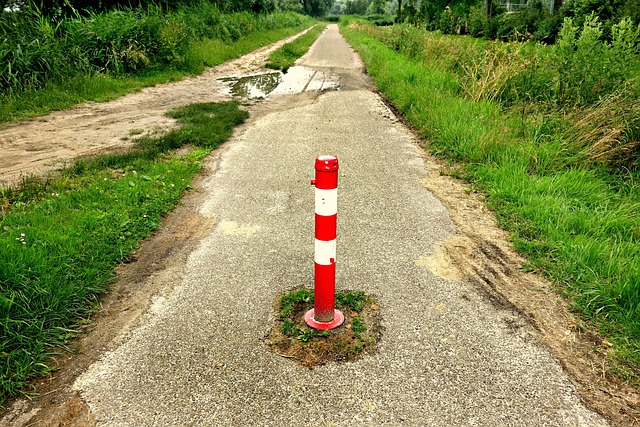
Constructing safe roads requires a multifaceted approach, with community efforts playing a pivotal role in enhancing road safety. One of the most effective strategies involves implementing selected road safety tips that have proven to significantly reduce accidents and mitigate risks for all road users. For instance, prioritizing pedestrian rights at crosswalks and signals through dedicated crossings and reduced speed limits can dramatically decrease fatalities and injuries among walkers. Additionally, planning safe road trips with family demands consideration of rest stops, child safety seats, and driver fatigue management—all essential components in ensuring a secure journey.
The introduction of low-light visibility enhancement techniques for drivers is another critical aspect. Nighttime driving poses unique challenges due to reduced lighting, but technologies like improved street lighting, reflective signage, and advanced headlamps can substantially improve driver awareness and perception. These measures, backed by community support and advocacy, have shown remarkable results in various studies, with some regions experiencing up to a 30% reduction in accidents during low-light conditions.
Community engagement is key to adopting and upholding these safety measures. Public education campaigns that highlight the importance of road safety tips can foster a culture of awareness and accountability. Local governments can also collaborate with schools and community centers to teach young drivers and pedestrians about safe road practices, ensuring that these habits are instilled from an early age. By combining targeted initiatives, such as enhanced crosswalk safety and low-light visibility solutions, with ongoing community involvement, roads can be constructed not just for efficiency, but for the well-being of all users.
Monitoring Progress & Enhancing Road Safety Culture

Monitoring progress and fostering a culture of road safety is vital to ensuring continuous improvements in community road environments. This involves both qualitative and quantitative assessments to gauge the effectiveness of implemented measures. Authorities and community groups can employ several strategies for effective monitoring, such as regular inspections, data analytics, and feedback mechanisms from drivers and residents. For instance, cameras and sensors installed at key locations can provide real-time data on traffic flow, accident rates, and driver behavior, allowing for swift interventions where needed. Additionally, public reporting platforms enable community members to share experiences and highlight potential hazards, actively engaging them in road safety initiatives.
Educational campaigns play a significant role in enhancing road safety culture. Providing driver safety tips for beginners, particularly focusing on low-light visibility enhancement techniques and maintaining safe following distances in traffic, can significantly reduce accidents. For example, studies have shown that proper lighting and reflective gear can improve pedestrian visibility during early morning or evening commutes by up to 80%. Community workshops, online resources, and peer mentoring programs can effectively disseminate such knowledge. Official road safety campaigns should be regularly updated with relevant data and trends, keeping the community informed about evolving risks and successful mitigation strategies.
Community involvement is essential for sustained success. Encouraging local initiatives, like neighborhood watch programs or community clean-up drives, helps identify and address specific safety concerns. For instance, residents can collectively advocate for better street lighting in dark areas or organize events to raise awareness about the importance of maintaining safe speeds in residential zones. By integrating these efforts into a comprehensive road safety strategy, communities can create an environment that prioritizes safety at every intersection, making roads safer for all users, regardless of age or experience.
In constructing safe roads, community efforts play a pivotal role in enhancing road safety. By understanding local needs, assessing road hazards, and implementing Select Road Safety Tips, communities can significantly improve their transportation infrastructure. Monitoring progress and fostering a culture of road safety further solidifies these efforts, ensuring continuous improvement and a more secure environment for all road users. Key takeaways include the importance of community engagement, thorough risk assessment, and practical application of road safety strategies. Moving forward, adopting and customizing these Select Road Safety Tips can empower communities to take proactive measures, ultimately reducing accidents and saving lives.