

Prioritizing well-being starts with robust road safety. Key Select Road Safety Tips include maintaining safe following distances, installing child locks, avoiding distractions, respecting speed limits, using real-time traffic updates, promoting safe driving after substance use, and educating on child car seat installation. Integrating these practices with defensive driving courses and community education normalizes responsible habits, significantly reducing accidents and enhancing traveler safety.
Road safety is a paramount concern, with countless lives impacted annually by preventable accidents. The scale of the issue demands a holistic approach, prioritizing not just vehicle technology but also the fundamental well-being of every road user. This article delves into the intricate web of challenges, from driver distraction to inadequate infrastructure. We present a comprehensive strategy that leverages evidence-based Road Safety Tips, focusing on individual preparedness and systemic enhancements. By integrating these measures, we can foster a culture of safety, ultimately reducing fatalities and enhancing the resilience of our roads.
- Understand Your Risks: A Foundation for Safety
- Implement Essential Road Safety Tips
- Cultivate a Culture of Well-being Awareness
Understand Your Risks: A Foundation for Safety

In prioritizing well-being, a robust foundation for safety begins with understanding your risks. Knowing where potential hazards lie—whether on the road or in your home—is the first step towards mitigation. Road safety, for instance, involves more than just adhering to traffic laws; it necessitates a deep appreciation for the dynamics of driving and navigating various environments. For example, maintaining safe following distances is paramount; according to the National Highway Traffic Safety Administration (NHTSA), keeping a two-second gap between your vehicle and the one ahead significantly reduces the risk of rear-end collisions.
Children, too, demand meticulous consideration for their safety. Installing child safety locks on cars serves as a critical line of defense against unforeseen accidents. The U.S. Consumer Product Safety Commission (CPSC) emphasizes that these locks can prevent children from opening vehicle doors while in motion, thereby averting serious injuries or worse. Beyond the car, understanding blind spots becomes vital when changing lanes, especially at higher speeds. A study by the Insurance Institute for Highway Safety (IIHS) highlights the prevalence of collisions due to overlooked vehicles in adjacent lanes; thus, drivers must remain vigilant and utilize mirrors, and checkblind spots regularly—a practice reinforced by expert driving instructors worldwide.
Regularly evaluating these aspects not only empowers individuals but also fosters a culture of safety awareness. By acknowledging risks and taking proactive measures, we can significantly enhance our well-being and that of our loved ones, ensuring safer interactions with the world around us.
Implement Essential Road Safety Tips

Road safety is a multifaceted issue demanding a holistic approach to mitigate risks and ensure well-being on our highways. Among numerous strategies, implementing essential road safety tips stands out as a game-changer. According to the World Health Organization (WHO), over 1.3 million deaths occur annually due to traffic accidents globally, emphasizing the pressing need for proactive measures.
Avoiding road rage triggers and finding solutions to emergencies on the highway are crucial components of this strategy. Aggressive driving behaviors, often fueled by stress and impatience, contribute significantly to hazardous situations. Experts suggest maintaining a calm demeanor, respecting speed limits, and leaving ample space between vehicles as effective strategies to prevent road rage. For instance, studies show that adhering to recommended following distances can drastically reduce the severity of collisions. Additionally, staying focused on the road and avoiding distractions like mobile phone use are essential precautions.
Utilizing technology also plays a pivotal role in enhancing road safety. Best apps for real-time traffic updates provide drivers with critical information about congestion, accidents, and road closures, enabling them to make informed decisions. These apps offer not only navigation assistance but also alerts on potential hazards, helping users navigate routes more safely. For example, Waze, one of the most popular such applications, leverages user-reported data to notify drivers of police patrols, accidents, and other events that could impact their travel time. Incorporating such tools into daily routines can significantly contribute to overall road safety.
Beyond these tips, continuous education and awareness campaigns are vital. Drivers should stay updated on traffic rules and regulations, as well as emerging safety technologies. Regular practice of defensive driving techniques and keeping vehicles in good condition also contribute to a safer highway environment. By combining these strategies with technological advancements, we can work towards reducing road accidents and ensuring the well-being of every traveler.
Cultivate a Culture of Well-being Awareness
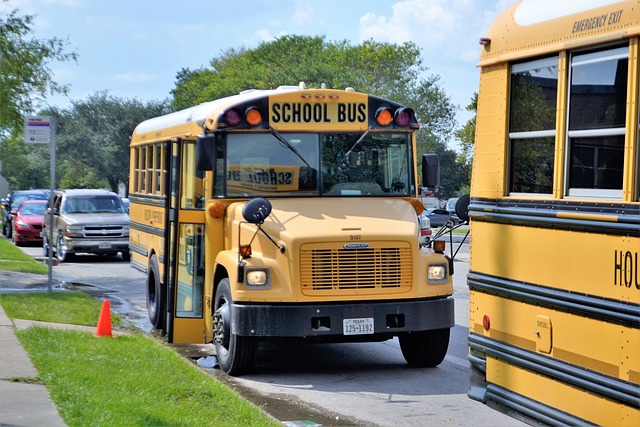
In fostering a culture of well-being awareness, we must recognize that safety is not merely an afterthought but a foundational pillar in our daily lives, especially on the roads. Road safety is a collective responsibility, and cultivating consciousness begins with understanding that every driver, pedestrian, and passenger has a role to play in preventing accidents. This proactive approach involves embracing both physical and mental well-being, ensuring that individuals are equipped with the knowledge and skills to navigate their surroundings safely. For instance, research indicates that nearly 90% of road accidents involve human error, underscoring the critical need for heightened awareness on our journeys.
One key aspect of this culture is promoting safe driving practices, particularly after consuming alcohol or drugs. Impaired judgment and slowed reaction times significantly increase the risk of collisions. Therefore, it’s imperative to educate drivers about the legal and personal consequences of drinking and driving. Additionally, providing comprehensive child car seat installation tips for parents can prevent devastating injuries in the event of a crash, as properly secured children are less likely to suffer severe harm. Regularly reviewing highway exit strategies for quick evasive maneuvers—a skill that can be honed through defensive driving courses—equips individuals with a valuable tool for unexpected situations.
Moreover, integrating well-being awareness into our daily routines requires consistent education and practice. This involves teaching young people about road safety as an integral part of their civic education, just as we instill basic hygiene practices to prevent disease. By normalizing discussions around safe driving habits, we can create a culture where responsibility is the norm rather than the exception. Ultimately, a culture of well-being awareness not only enhances personal safety but also contributes to building safer communities where every trip is a chance to arrive at our destinations unharmed and with peace of mind.
By prioritizing well-being and implementing key road safety tips, such as those outlined in this article, individuals can significantly enhance their overall security and peace of mind. Understanding personal risks is a foundational step toward creating a culture of awareness where every journey becomes an opportunity for safety and health. Selecting and adopting effective Road Safety Tips can serve as powerful tools to navigate the roads with greater confidence and reduce potential hazards. This comprehensive approach ensures that we not only protect ourselves but also contribute to fostering safer communities, ultimately benefiting everyone on the road.