

Understanding common road hazards like weather and infrastructure issues is vital for defensive driving. The NHTSA highlights rising pedestrian fatalities, emphasizing enhanced guidelines. Defensive driving techniques, including constant scanning and anticipation, mitigate risks. Select Road Safety Tips vary by environment: reduce speed in adverse weather, enhance vigilance at night, avoid distractions. Proactive measures involve interpreting signs, anticipating hazards, and staying alert in urban areas. Master defense strategies for drivers and pedestrians to navigate risks effectively. Regular checks, maintenance, and awareness foster safer mobility. Key Select Road Safety Tips include responsive driving, bicycle awareness, and airbag understanding.
In the ever-growing emphasis on global road safety, understanding and implementing defensive driving techniques is a cornerstone of reducing risks on our roads. Defensive driving encourages drivers to anticipate potential hazards before they occur, fostering a culture of vigilance and accountability. This article delves into the critical aspect of risk anticipation as a key component of drive defensive, providing valuable insights and Road Safety Tips for both novice and experienced motorists alike. By embracing these principles, we can collectively contribute to safer highways and communities.
- Identify Common Road Hazards and Risks
- Implement Proactive Safety Measures at All Times
- Master Defense Strategies for Pedestrians and Vehicles
- Stay Aware: Continuous Learning and Adaptation on the Road
Identify Common Road Hazards and Risks

Understanding common road hazards is a critical step in driving defensively and preventing common traffic accidents. From weather conditions like heavy rain or snow to infrastructure issues such as potholes and uneven roads, these factors can significantly impact driver visibility and vehicle control. Pedestrians, especially during day and night, add another layer of complexity due to their unpredictable movements. According to the National Highway Traffic Safety Administration (NHTSA), pedestrian fatalities have been on the rise, highlighting the need for enhanced pedestrian safety guidelines.
One of the most effective ways to mitigate these risks is by adopting defensive driving techniques. This involves constantly scanning the road ahead and being prepared for unexpected events. For instance, anticipating potential hazards like a vehicle suddenly changing lanes or a pedestrian stepping into the street requires quick reaction times. Learning defensive driving techniques online through specialized courses can equip drivers with the skills to navigate these situations safely. These courses often emphasize the “three seconds of space” rule, which provides a safe following distance and allows for more reaction time.
Select road safety tips should be tailored to different environments and conditions. During adverse weather, reducing speed and increasing following distances becomes crucial. Nighttime driving requires enhanced lighting and vigilance, as pedestrians may not always be visible until illuminated by headlights. Additionally, staying alert and avoiding distractions like mobile phones can significantly improve reaction times. By combining these strategies with regular practice, drivers can become more adept at identifying potential risks and responding appropriately, ultimately enhancing overall road safety.
Implement Proactive Safety Measures at All Times
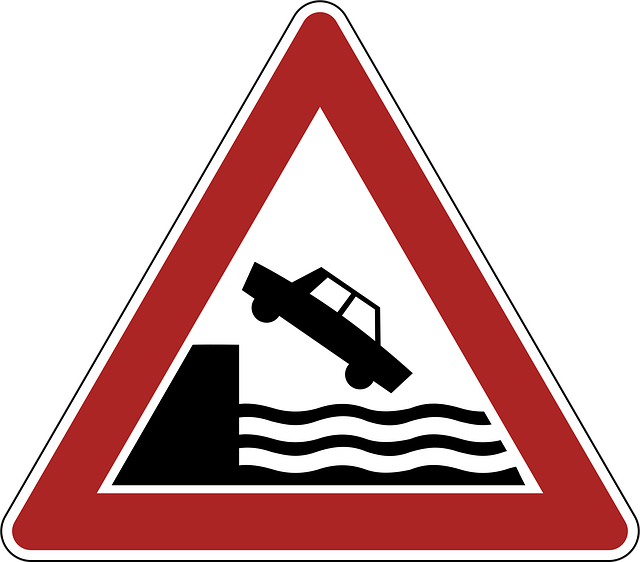
Proactive safety measures are paramount when driving defensively. At every turn, drivers must anticipate risks and implement strategies to mitigate potential hazards. This proactive approach involves more than simply following traffic rules; it requires a deep understanding of road signs and their meanings, enabling drivers to make informed decisions based on environmental cues. For instance, recognizing the symbol for a sharp curve ahead can prompt a driver to slow down and navigate more carefully, especially in unfamiliar territories.
Navigating narrow, winding roads safely demands heightened awareness and specific techniques. Drivers should anticipate tighter turning radii and be prepared to adjust their speed accordingly. Tips for these challenging conditions include reducing speed well in advance, maintaining a safe following distance from the vehicle ahead, and using defensive positioning strategies, such as keeping more space between you and the edge of the road. Understanding the limitations of your vehicle and adjusting your driving style accordingly is key to navigating these roads safely.
Highway rest area safety tips for solo drivers are crucial for well-being. These areas provide essential respite during long journeys but also present potential risks if proper precautions aren’t taken. Drivers should always park in well-lit, busy areas, avoid leaving valuables in plain sight, and be vigilant of their surroundings when entering or exiting their vehicles. Regularly maintaining a secure vehicle through lock checks and battery maintenance ensures an additional layer of safety during rest stop visits.
Data from the National Highway Traffic Safety Administration (NHTSA) highlights that proactive safety measures significantly reduce crash rates. In 2020, states with higher adoption of road safety tips reported lower fatality rates per 100 million vehicle-miles traveled. This underscores the importance of consistently implementing defensive driving techniques and staying informed about local road conditions and regulations. By integrating these practices into daily driving routines, drivers can create a safer environment for themselves and others on the road.
Master Defense Strategies for Pedestrians and Vehicles

Mastering defense strategies is paramount for both pedestrians and vehicle operators to navigate risks effectively. In crowded urban environments or bustling construction zones, staying alert and adopting proactive safety measures can significantly reduce the likelihood of accidents. For instance, when navigating construction sites, drivers should adhere to reduced speed limits and be particularly vigilant for workers and heavy equipment. Utilizing road safety tips such as maintaining a safe following distance and consistently checking mirrors can create a buffer against unforeseen events.
Pedestrians, too, have essential precautions to embrace. Always stay on designated sidewalks or paths, and if none are available, walk facing traffic. Wearing reflective clothing during low-light conditions enhances visibility to drivers. Moreover, understanding airbag safety is crucial. Airbags, while effective in reducing severe injuries during collisions, can cause harm if occupants are too close or not buckled up. It’s essential to position yourself correctly and wear a seatbelt to ensure optimal airbag deployment and protection.
Selecting the right roadside assistance services can provide peace of mind when facing unexpected breakdowns or flat tires. Essentials include quick response times, mechanical expertise, and the availability of replacement parts. In regions with varying weather conditions, pre-emptive checks of tire pressure, battery health, and fluid levels are vital. Regular maintenance and adhering to manufacturer recommendations for service intervals further mitigate risks on the road. By combining these proactive measures with awareness, both drivers and pedestrians can contribute to a safer overall mobility experience.
Stay Aware: Continuous Learning and Adaptation on the Road

Staying aware and continually adapting to the road environment is a cornerstone of defensive driving. In an ever-changing landscape, drivers must be vigilant to identify and mitigate potential risks. This proactive approach involves constant learning and a keen understanding of various factors that can impact safety. For instance, conditions like heavy rain or snow can significantly alter road dynamics; thus, drivers should exercise heightened caution when navigating through such weather events, especially in flooded areas where visibility and traction may be compromised.
One critical aspect of defensive driving is being prepared for unpredictable situations. This includes knowing the specific precautions to take when encountering bicycles on the road, as cycling is a growing mode of transportation in many urban areas. Bicyclists can be more vulnerable than motor vehicle drivers, so adhering to bicycle safety rules, such as granting them full right of way at intersections, is not only a legal obligation but also a responsible act that contributes to overall road safety.
Furthermore, understanding airbag deployment and its associated precautions is vital. Airbags are designed to protect occupants during collisions, but their effectiveness depends on proper usage and maintenance. Drivers should ensure all airbags are functional by regularly inspecting them and following manufacturer guidelines for replacement or repair. It’s also crucial to learn about the right way to position yourself in a vehicle to maximize airbag safety—for instance, sitting at least 10 inches from the dashboard in front-end collisions can significantly reduce the risk of severe injuries.
By embracing a mindset of continuous learning and adaptation, drivers can transform their journeys into safer experiences. Incorporating these select road safety tips not only empowers individuals to take charge of their security but also contributes to a more comprehensive approach to traffic safety as a whole.
By identifying common road hazards, proactively implementing safety measures, mastering defense strategies for both pedestrians and vehicles, and staying continuously aware, you can significantly enhance your driving experience and reduce risks on the road. These key insights empower drivers to make informed decisions and adapt their behavior accordingly. To apply these Select Road Safety Tips effectively, prioritize regular practice of defensive driving techniques, stay updated on traffic regulations, and continuously refine your situational awareness. Such proactive measures not only ensure personal safety but also contribute to a safer overall driving environment.