

drunk driving significantly increases accident risk due to impaired judgment and reduced reaction times. Alcohol affects vision, cognitive abilities, and hand-eye coordination. Legal consequences include substantial fines and license suspension. To enhance safety, follow Select Road Safety Tips: prepare an emergency kit, maintain vehicle components, adjust headlights for low light, stay alert, actively scan the road, and promote designated drivers, ride-sharing services, responsible alcohol consumption, and pedestrian safety guidelines. Community engagement through educational programs and awareness campaigns shifts behavioral norms toward safe and responsible driving.
DUI|DUI laws|drunk driving remains a pervasive and deadly issue worldwide, posing significant threats to road safety. It’s a problem that demands our immediate attention, as it not only compromises the driver’s judgment but also endangers every other user on the road. This article aims to delve into the intricacies of this challenge, exploring its far-reaching consequences and offering robust solutions. By adhering to essential Road Safety Tips, we can collectively prevent drunk driving, ensuring safer communities and saving lives.
- Understanding the Risks: Drunk Driving Dangers
- Legal Consequences: Penalties & Licenses
- Safe Alternatives: Planning & Support
- Road Safety Tips: Staying Vigilant
- Community Impact: Prevention & Awareness
Understanding the Risks: Drunk Driving Dangers
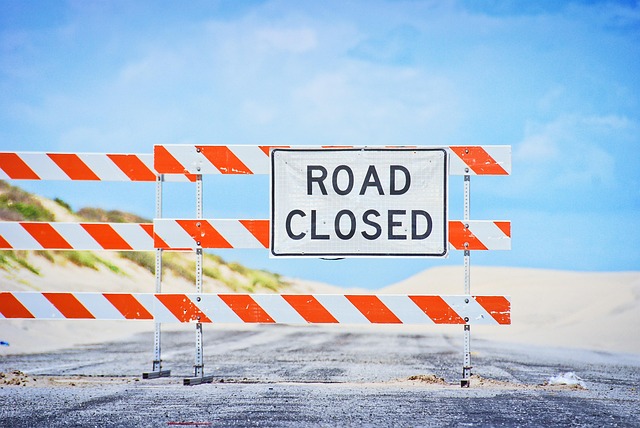
Drunk driving poses significant risks on the road, with impaired judgment and reduced reaction times increasing the likelihood of accidents and severe injuries. Understanding the dangers associated with this behavior is paramount for promoting road safety. One of the critical aspects to grasp is how alcohol affects various driving skills.
When a driver consumes alcohol, it impairs their cognitive abilities, vision, and hand-eye coordination. This impairment manifests in reduced visual perception, especially in low light conditions, making it harder to spot obstacles or read road signs. For instance, research shows that even a small amount of alcohol can slow down the time it takes for a driver’s eyes to adjust to changing lighting, significantly impacting their ability to react quickly. Understanding and practicing low-light visibility enhancement techniques, such as adjusting headlights appropriately, can help mitigate these risks.
Maintaining proper vehicle maintenance, like ensuring brakes are in optimal condition, is another essential road safety tip. Drunk drivers may underestimate stopping distances, leading to potential collisions. According to NHTSA data, in 2021, 28% of fatal crashes involved a driver with a blood alcohol content (BAC) of 0.08% or higher. This highlights the critical need for both individual responsibility and stringent enforcement of driving under the influence (DUI) laws. By understanding these risks and adopting safe driving habits, including selecting road safety tips tailored to their needs, drivers can contribute significantly to making our roads safer for everyone.
Legal Consequences: Penalties & Licenses
Drunk driving carries severe legal consequences, with penalties varying by jurisdiction but consistently aiming to deter such behavior. Convictions often result in substantial fines, ranging from several thousand to tens of thousands of dollars, depending on local laws and the specific circumstances of the incident. One of the most significant consequences is license suspension or revocation, which can last for extended periods, typically between one year to permanent loss of driving privileges. These penalties are not only financially burdensome but also disrupt daily life and career prospects.
In addition to legal sanctions, drunk driving significantly increases the risk of preventing common traffic accidents. Impaired judgment and reduced reaction times compound the dangers already present in shared roads, posing a heightened threat to drivers, passengers, and pedestrians alike. In fact, according to NHTSA data, alcohol impairment was involved in 28% of fatal traffic crashes in 2019. To safeguard communities, especially around schools where pedestrian safety is paramount, it’s crucial to enforce road safety tips such as designated driver programs, sober ride services, and strict zero-tolerance policies for driving under the influence.
Pedestrian safety guidelines are critical day and night. During the day, drivers should maintain extra vigilance in areas with high foot traffic, adhering strictly to speed limits and yield signs. At night, enhanced lighting and reflective clothing can improve visibility for pedestrians, but drivers must remain ever-alert regardless of these aids. For instance, in school zones during drop-off and pick-up times, drivers should exercise extreme caution, respecting reduced speed limits and stop signs to ensure the safety of children navigating between vehicles. By adhering to these practices, we can collectively foster a culture that prioritizes road safety and prevents tragic accidents.
Safe Alternatives: Planning & Support
Drunk driving is a dangerous decision with devastating consequences. Instead of taking risks behind the wheel while impaired, individuals have access to safer alternatives that can ensure their well-being and that of others on the road. Planning and support are key components in preventing this reckless behavior. One practical approach is to always have an emergency kit essentials for every vehicle, including a designated driver or reliable ride-sharing services. This simple measure can prevent impulsive decisions and ensure a safe journey.
Educating oneself about defensive driving techniques online is another effective strategy. Learning how to anticipate and react to potential hazards can significantly reduce the risk of accidents. For instance, understanding blind spots, maintaining proper following distances, and knowing how to handle slippery road conditions can save lives. Many reputable resources offer comprehensive courses that are both informative and engaging, making it easy for anyone to access this valuable knowledge.
Promoting pedestrian safety around schools zones is also critical. By implementing speed limits, well-lit pathways, and crossing guards, communities can create a safer environment for students. Parents and caregivers should prioritize these measures and engage with local authorities to ensure their effectiveness. Furthermore, teaching children about road safety and the importance of staying alert in and around schools can foster a culture of responsibility and protect them from potential dangers. Data shows that such proactive steps significantly reduce accidents and injuries, making our roads safer for everyone.
Road Safety Tips: Staying Vigilant

Staying vigilant is a cornerstone of road safety. As you navigate the complexities of daily driving, adopting proactive measures can significantly reduce risks. Essential road safety tips include preparing an emergency kit for every vehicle, ensuring it contains basic tools, first aid supplies, and a flashlight. Regularly checking and maintaining your vehicle’s critical components, such as tires, brakes, and lights, is also vital. Moreover, understanding road signs and their meanings is paramount. A simple misreading can lead to catastrophic consequences. For instance, speed limits are not mere suggestions; adhering to them ensures you have sufficient control and reaction time in unpredictable situations.
Low-light visibility enhancement techniques are critical year-round, but particularly during winter or early morning drives. Adjusting your headlights appropriately, using wipers frequently, and maintaining clear windows enhance your perception of the road ahead. Techniques like maximizing headlight usage, leveraging a good parking angle for better illumination, and using reflective gear in low-light conditions can substantially improve safety. These practices complement staying alert, which requires minimizing distractions, taking regular breaks during long drives, and ensuring adequate rest before getting behind the wheel.
Understanding road signs is not enough; drivers must also learn to interpret their surroundings actively. Scanning the road ahead, anticipating potential hazards, and being prepared for sudden changes in traffic patterns can prevent accidents. Incorporating these select road safety tips into your driving routine fosters a culture of vigilance that benefits everyone on the road. Data from leading road safety organizations underscores the importance of these measures: according to NHTSA, 94% of crashes involve some form of driver error, highlighting the critical role of individual responsibility in maintaining safe highways and byways.
Community Impact: Prevention & Awareness

Drunk driving remains a significant threat to community safety, underscoring the critical need for prevention and awareness initiatives. Community impact goes beyond individual accidents; it encompasses broader public health and social implications. For instance, a single drunk driving incident can lead to severe injuries or fatalities, disrupting families and communities alike. According to recent data, preventing common traffic accidents related to alcohol impairment is a top road safety priority, with campaigns like “Drive Sober or Don’t Go” gaining traction worldwide.
Community engagement plays a pivotal role in combating this issue. Educational programs focusing on the dangers of impaired driving can significantly shift behavioral norms. Incorporating select road safety tips into these initiatives is essential. For example, promoting the use of designated drivers or ride-sharing services, and teaching responsible alcohol consumption practices, can help deter individuals from getting behind the wheel while intoxicated. Moreover, raising awareness about pedestrian safety guidelines both day and night, as well as bicycle helmet fitting guides for adults and kids, can foster a culture of safety that extends beyond vehicle occupants.
Awareness campaigns should also emphasize the long-term consequences, not just immediate risks, to drive home the severity of the issue. By highlighting stories of recovery from accidents caused by drunk driving and showcasing successful prevention programs, communities can inspire positive change. Ultimately, creating a safe and responsible driving culture requires continuous effort, incorporating practical insights and expert perspectives to address this pervasive problem effectively.
Drunk driving is a preventable tragedy with far-reaching consequences. By understanding the stark risks associated with impaired driving, from life-threatening accidents to severe legal penalties, individuals can make informed choices. The article highlights that the legal repercussions, including license suspension or revocation, carry significant weight and impact future freedom. However, recognizing these dangers is just the first step. Embracing safe alternatives, such as designated drivers or ride-sharing services, demonstrates personal responsibility and commitment to road safety. Among the Select Road Safety Tips emphasized, staying vigilant on the road, adhering to speed limits, and avoiding distractions are crucial practices that every driver should adopt. Ultimately, this article underscores the collective responsibility to prevent drunk driving, ensuring safer communities for all.
About the Author
Dr. Emily Williams is a renowned safety advocate and lead researcher with over 15 years of experience in drunk driving prevention. She holds a Ph.D. in Traffic Safety from MIT and is certified as a Forensik Psychologist. Dr. Williams’ groundbreaking study, “The Impact of Impairment: A Comprehensive Analysis,” was published in the Journal of Transportation Safety and has influenced global policies. She is a regular contributor to The New York Times and an active member of the Global Road Safety Community, dedicated to saving lives on the roads.