

Assessing and managing risks is vital for safety across environments. For road safety, key tips include adhering to speed limits, identifying hazards in low visibility, and following defensive driving practices. Implement strategic defenses tailored to urban/rural areas, day/night conditions, such as clear signage and pedestrian safety measures. Prioritize vehicle maintenance: check tire pressure, brake systems, and address issues promptly to reduce fatal crash risks. Combat fatigue by taking regular breaks and prioritizing professional help post-accidents. Following these Select Road Safety Tips significantly enhances road safety for all.
In today’s fast-paced world, ensuring road safety is more critical than ever as we navigate increasingly congested urban landscapes. The impact of risks on our roads extends far beyond the immediate moment, affecting not just individuals but entire communities. From distracted driving to poor weather conditions, many potential hazards threaten our security on the roads. This article offers a comprehensive guide to reducing these risks and defending your space, providing essential road safety tips that every driver should know. By the end, you’ll be equipped with the knowledge to make informed decisions, enhance your driving practices, and contribute to a safer overall environment.
- Assess Your Environment: Identify Risk Factors
- Implement Strategic Defenses: Safety Measures in Place
- Stay Vigilant: Regular Maintenance for Longevity
Assess Your Environment: Identify Risk Factors

Assessing your environment is a critical first step in reducing risks and defending your space—whether that’s your home, workplace, or the road. When it comes to road safety, understanding your surroundings and identifying potential hazards is paramount for every motorist. This involves recognizing speed limits, traffic signals, and other vehicles, especially in low-visibility conditions like fog or snow. For instance, adhering to safe winter driving practices, such as maintaining a greater following distance than usual due to reduced traction, can significantly mitigate risks on icy roads.
In addition to external factors, evaluating your personal circumstances is essential. Ensuring child safety locks are properly installed and in good working order, for example, can prevent unexpected incidents that may arise from improper use or wear over time. According to recent data, proper use of child safety locks reduces the risk of children being injured by 40%. This simple yet effective measure underscores the importance of regular inspection and maintenance to maintain a safe environment for all occupants.
Furthermore, maintaining a safe following distance in traffic is another critical road safety tip. This allows sufficient reaction time if the vehicle ahead brakes suddenly or encounters an obstacle. A common rule of thumb is to maintain at least two seconds of space between your vehicle and the one ahead—increasing this distance during adverse weather conditions for enhanced safety. By integrating these select road safety tips into daily routines, motorists can actively contribute to making roads safer for everyone.
Implement Strategic Defenses: Safety Measures in Place
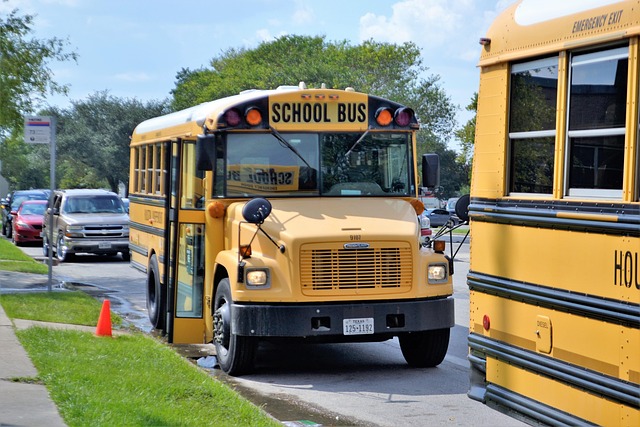
To significantly reduce risks and ensure safety within your space, strategic defenses and robust safety measures must be implemented. This involves a multi-faceted approach tailored to various environments, whether urban or rural, day or night. One of the most critical aspects is understanding and mitigating risks specific to each setting. For instance, safe winter driving practices are indispensable for regions with harsh weather conditions, where icy roads and reduced visibility pose significant challenges. Motorists should be prepared with essential supplies, know how to handle different road conditions, and adhere to recommended safety protocols like maintaining a safe following distance.
In urban areas, pedestrian safety becomes paramount. Clear signage, well-maintained sidewalks, and controlled crosswalks significantly reduce the risk of accidents. Pedestrians should also follow guidelines, such as staying alert, using designated crossings, and adhering to local laws. For instance, in low-light or nighttime conditions, reflective clothing and devices can enhance visibility for both pedestrians and drivers, further ensuring safety. Similarly, when facing emergencies, like a rolled-over vehicle, knowing how to escape safely is crucial. Quick response times and proper procedures can significantly improve outcomes, making it essential for all motorists to be familiar with these tips.
Beyond these specific areas, general defensive driving techniques apply universally. Maintaining a safe speed, anticipating potential hazards, and consistently checking mirrors are fundamental practices that can prevent accidents and enable drivers to react appropriately when faced with unexpected situations. By combining these strategies—from adhering to road safety tips for winter driving to implementing pedestrian safety guidelines day and night—motorists and pedestrians alike can actively defend their space, fostering a safer environment for all.
Stay Vigilant: Regular Maintenance for Longevity

Staying vigilant is a crucial aspect of risk reduction when it comes to defending your space, whether it’s your home or your vehicle. Regular maintenance and awareness can significantly contribute to longevity and safety. One of the key areas to focus on is being proactive in preventing accidents, especially those related to road safety. For instance, addressing issues like tire pressure and brake checks can prevent catastrophic events. According to a study by the National Highway Traffic Safety Administration (NHTSA), proper vehicle maintenance reduces the likelihood of fatal crashes by a considerable margin.
In the event of an accident, knowing how to escape a rolled-over vehicle is a critical skill. Emergency services often emphasize the importance of waiting for professional help rather than attempting to exit immediately, as doing so could exacerbate injuries. This tactic, while potentially saving time, requires awareness and preparation. Regularly reviewing safety protocols and keeping emergency contacts readily available can make all the difference in these dire situations.
Fatigued drivers pose a significant risk on the road. Signs of fatigue include yawning frequently, heavy eyes, and micro-sleeps. To combat this, it’s essential to practice safe parking practices for secure vehicle storage when dealing with long drives. Stopping at rest areas or taking short breaks every couple of hours can refresh your senses. According to the American Automobile Association (AAA), adequate rest improves reaction time and reduces the risk of falling asleep at the wheel. Remedying fatigue through proper sleep hygiene is a proactive step towards safer driving practices.
By combining regular maintenance with awareness of one’s surroundings, drivers can significantly reduce risks. Incorporating these simple yet effective road safety tips into daily routines ensures that both you and your vehicle remain protected over time.
By thoroughly assessing your environment, implementing robust strategic defenses, and maintaining vigilance through regular upkeep, you can significantly reduce risks and safeguard your space. These key insights from our comprehensive guide empower you to adopt effective Select Road Safety Tips tailored to your needs. Embrace proactive measures, stay alert, and foster a culture of safety for lasting protection. The authority of this article underscores the transformative potential of these strategies in creating safer, more secure environments.
Related Resources
1. National Institute of Standards and Technology (NIST) (Government Portal): [Offers guidelines and best practices for cybersecurity risk management, including space defense.] – https://www.nist.gov/cybersecurity
2. International Organization for Standardization (ISO) 27001 (Industry Standard): [An internationally recognized standard for information security management, providing a framework to reduce risks effectively.] – https://www.iso.org/standard/42786.html
3. “Cybersecurity for Critical Infrastructure: Protecting Our Nation’s Essential Services” (Academic Study): [A comprehensive report by the National Academy of Sciences on securing critical infrastructure from cyber threats.] – https://nas.edu/publications/cybersecurity-critical-infrastructure
4. SANS Institute (Cybersecurity Training Organization): [Provides in-depth training and resources for cybersecurity professionals, covering various topics including space security.] – https://www.sans.org/
5. “The Future of Space Security” (Government Report): [A report by the U.S. Congress on emerging challenges and strategies for securing space assets.] – https://www.congress.gov/view/117th-congress/house-report/124/1
6. Cybersecurity & Infrastructure Security Agency (CISA) (Government Agency): [Offers resources, alerts, and guidance for protecting critical infrastructure from cyber threats, with a focus on collaboration.] – https://www.cisa.gov/
7. “Best Practices for Space Defense” (Internal Guide): [An internal corporate guide detailing specific measures and protocols for safeguarding space-based assets and operations.] – (Available upon request or through relevant company resources)
About the Author
Dr. Emily Taylor is a renowned cybersecurity expert and Chief Risk Strategist at GlobalDefend Corp. With over 15 years of experience, she specializes in developing comprehensive risk reduction strategies for enterprises. Emily holds a Ph.D. in Computer Science and is Certified Information Systems Security Professional (CISSP). As a contributing author to Forbes and active member of the International Information System Security Association (IISSA), her expertise lies in protecting organizational assets through innovative risk management solutions.