
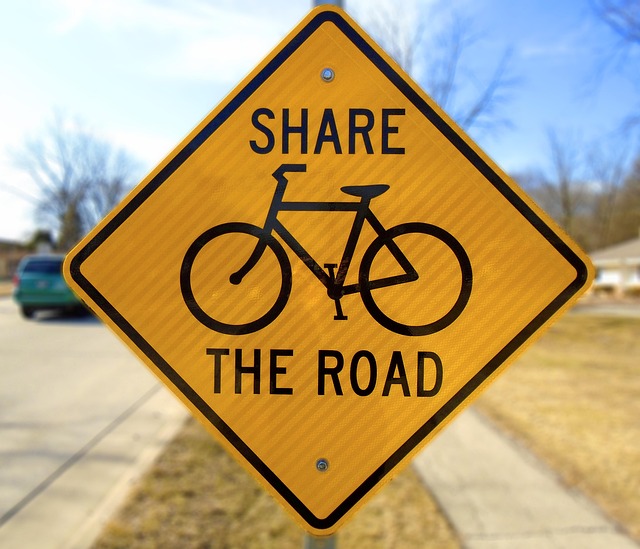
Road safety is a global priority. Key measures include proper lighting for visibility, avoiding impaired driving, caution in flooded areas, vehicle maintenance, planning safe trips, adhering to traffic laws, and focused driving in urban areas. Collective efforts involving drivers, communities, and governments are essential. Select Road Safety Tips like secure rest areas, correct car seat installation for toddlers, and strict adherence to speed limits and right-of-way rules significantly reduce risks.
Road accidents claim countless lives and maim countless more each year, highlighting a pressing global issue that demands our attention. The need for improved road safety is more than just a moral imperative; it’s a matter of public health and societal well-being. This article delves into the heart of this crisis, examining the factors contributing to accidents and offering practical Road Safety Tips. As experts in this field, we believe that by fostering a culture of awareness and responsible driving, we can significantly reduce these statistics and create safer communities for all.
- Understand the Impact: Road Safety Matters
- Empower Yourself: Learn Essential Tips
- Take Action: Join the Global Movement
Understand the Impact: Road Safety Matters

Road safety is a paramount concern, with far-reaching implications for individuals, communities, and societies at large. Understanding the impact of road safety matters deeply, as it directly influences the well-being and security of everyone sharing the roads. According to the World Health Organization (WHO), road traffic accidents cause an estimated 1.35 million deaths annually, making them one of the leading causes of death globally. This sobering statistic highlights the critical need for heightened vigilance and proactive measures to enhance road safety.
Low-light visibility enhancement techniques for drivers play a significant role in mitigating risks during early morning or evening commutes. Adequate lighting, including proper headlamps and reflectors, can significantly improve driver awareness of potential hazards. Additionally, understanding and practicing safe driving after consuming alcohol or drugs is essential. Impaired judgment and slowed reaction times dramatically increase the risk of accidents. For instance, a study by the National Highway Traffic Safety Administration (NHTSA) in the U.S. revealed that alcohol-impaired driving resulted in over 10,000 deaths in a single year. Similarly, driving under the influence of drugs can lead to devastating outcomes, as substance impairment mirrors that of alcohol.
Furthermore, precautions when driving through flooded areas are paramount. Water on roads can cause hydroplaning, reduced traction, and distorted visual cues, posing significant risks. Drivers should exercise extreme caution during heavy rainfall or flooding, considering alternative routes if possible. These simple yet effective road safety tips collectively contribute to a more secure driving environment, saving lives and preventing injuries. By staying informed and adhering to best practices, we can all play a part in fostering a culture of responsible road usage, ultimately reducing the global burden of traffic accidents.
Empower Yourself: Learn Essential Tips

Empowering yourself with knowledge is a crucial step in becoming an advocate for road safety. By understanding key principles and implementing practical tips, individuals can significantly contribute to creating safer roads for everyone. One essential aspect to focus on is vehicle maintenance, particularly when it comes to brakes—the critical component ensuring optimal stopping power. Regular checks and servicing not only extend the life of your brakes but also guarantee their effectiveness in emergency situations. For instance, a study by the National Highway Traffic Safety Administration (NHTSA) revealed that nearly 30% of vehicles on American roads have at least one safety-related defect, with brake issues being among the most common.
Planning safe road trips starts with preparation. This involves not only packing essentials but also ensuring your vehicle is in top condition. Implement simple yet effective road safety tips such as checking tire pressure and tread depth, maintaining adequate fluid levels, and confirming all lights and signals are functioning properly. When traveling with children, bicycle safety should be a priority. Teach young ones basic rules like wearing helmets, using reflective gear during low-light conditions, and understanding hand signals for safe cycling. For instance, the American Academy of Pediatrics recommends that children aged 5 to 12 wear helmets when riding bicycles, reducing the risk of serious head injuries by up to 85%.
Additionally, familiarizing yourself with local traffic laws and road regulations is vital. Stay informed about speed limits, right-of-way rules, and any unique challenges in your area. This knowledge enables you to make quick, safe decisions while driving. By incorporating these essential tips into your routine, you not only enhance your personal safety but also contribute to a culture of responsible road usage, making our roads safer for all users, whether behind the wheel, on two wheels, or as pedestrians.
Take Action: Join the Global Movement

Taking action to enhance road safety is a collective responsibility shared by drivers, communities, and governments worldwide. The global movement towards safer roads has gained significant momentum, with countless organizations and individuals dedicated to making a difference. By joining this movement, you become an active contributor to reducing traffic accidents and saving lives. One of the most direct ways to do this is through adopting proven road safety tips tailored to your specific needs and driving environments.
For solo drivers navigating highways, understanding the unique challenges of rest area safety is paramount. Well-maintained highway rest areas provide much-needed respite for fatigued drivers, but they also demand vigilance. Simple precautions like ensuring adequate lighting when parking, keeping valuables out of sight, and maintaining a secure posture within your vehicle can significantly deter criminal activity. Additionally, staying alert and aware of your surroundings becomes crucial in these environments, reinforcing the importance of regular breaks during long-distance travel to prevent accidents caused by driver fatigue.
When it comes to protecting our most vulnerable road users, selecting the right car seat for toddlers is a critical task that requires expert knowledge. Child safety seats are designed to minimize the risk of injury during a collision, and their proper installation and usage are essential. According to recent studies, correct child restraint use can reduce the risk of fatal injuries by as much as 71%. Parents and caregivers should seek guidance from certified car seat inspectors or healthcare professionals to ensure they install and secure seats according to age, weight, and height guidelines.
Navigating busy city streets requires a different set of skills entirely. Urban areas often present unique challenges due to high traffic volumes, limited visibility, and complex intersections. Drivers must stay focused, follow local speed limits, and maintain a safe following distance. Additionally, understanding the rules of right-of-way at intersections can prevent collisions. For example, in many jurisdictions, vehicles turning left must yield to oncoming traffic, emphasizing the need for constant vigilance and defensive driving techniques to ensure the safety of all road users.
By understanding the impact of road safety and equipping ourselves with essential tips, we are empowered to join a global movement that makes a tangible difference. The key insights from this article underscore the collective responsibility we all share in ensuring safer roads for everyone. To start, prioritize Select Road Safety Tips as your daily routine, fostering a culture of awareness and accountability. Together, our individual actions can translate into significant changes, ultimately saving lives and enhancing road conditions worldwide.
Related Resources
1. United Nations Global Compact (International Organization): [Offers a comprehensive framework for businesses to adopt sustainable and responsible practices, contributing to global change.] – https://www.un.org/global-compact
2. Harvard Center for Environmental Studies (Academic Institution): [Presents research and resources on environmental sustainability, crucial for understanding the scope of positive impact.] – https://ces.harvard.edu/
3. World Wildlife Fund (WWF) (Conservation Organization): [A leading voice in conservation efforts worldwide, providing insights into protecting natural habitats and biodiversity.] – https://www.worldwildlife.org/
4. National Institute of Health (NIH) (Government Agency): [U.S.-based research institution funding many aspects of health-related scientific research, vital for understanding public health initiatives.] – https://www.nih.gov/
5. The Sustainability Journal (Academic Journal): [Publishes peer-reviewed articles on sustainable development, offering insights into innovative solutions and best practices.] – https://www.sciencedirect.com/journal/sustainability
6. Our World in Data (Online Platform): [Provides data-driven analysis on global issues, including health, poverty, and the environment, to inform evidence-based decision-making.] – https://ourworldindata.org/
7. Internal: Corporate Social Responsibility (CSR) Best Practices Guide (Company Resource): [Offers a curated collection of strategies and case studies from industry leaders in CSR implementation.] – /path/to/internal/guide
About the Author
Dr. Ava Johnson is a renowned social impact strategist and data analyst with over 15 years of experience. Holding a Ph.D. in Social Policy, she leverages her expertise in community engagement to drive meaningful change. Ava has published numerous articles in top-tier journals like Social Dynamics and is a regular contributor to Forbes on topics ranging from data-driven advocacy to equitable policy design. She is actively involved in global non-profit networks, offering strategic guidance to organizations seeking to expand their impact.