

Reflective gear significantly enhances driver and pedestrian visibility during low-light and adverse weather conditions, reducing accident risk by up to 70%. Key practices include wearing high-visibility vests, jackets, and reflective clothing, maintaining proper vehicle maintenance (headlights, windows), and using advanced driver-assistance systems. Incorporating reflective tape on bicycles and accessories like bags further boosts seeability for children commuting to school. Selecting Road Safety Tips that emphasize reflectives is vital in urban centers, rural areas, construction zones, and near wildlife crossings, fostering a culture of responsible driving and safer roads for everyone.
In the global pursuit of enhanced road safety, particularly during low-light conditions, a simple yet oft-overlooked solution stands out: adopting reflective gear. As we navigate the complexities of modern transportation, it’s crucial to explore effective strategies that reduce accidents and save lives. The problem lies in the visibility challenge faced by drivers, pedestrians, and cyclists alike when navigating dimly lit streets or bad weather. This article delves into the significance of reflective clothing and accessories as a powerful Road Safety Tip, providing practical insights into how these can be incorporated into daily routines to foster safer environments for all road users.
- Understand Reflective Gear's Role in Road Safety Tips
- Choose Appropriate Clothing for Maximum Visibility
- Accessorize with High-Visibility Reflective Devices
- Implement Strategies for Nighttime and Low-Light Conditions
- Promote Awareness: Educate on Wearing Reflective Gear
Understand Reflective Gear's Role in Road Safety Tips

Reflective gear plays a crucial role in enhancing visibility during various driving conditions, especially in low-light or adverse weather scenarios. By selecting appropriate road safety tips that incorporate reflective materials, drivers can significantly improve their likelihood of being seen by other motorists, pedestrians, and cyclists. This is particularly important when considering the increasing traffic congestion associated with modern urban centers, where long drives are often punctuated by frequent stops and starts.
In terms of practical application, reflective gear ranges from high-visibility vests to reflective strips for clothing, shoes, and bicycles. These items are designed to redirect light back towards the source, making wearers more apparent in the flow of traffic. For instance, during wet weather, when road conditions can be treacherous, adopting safe driving habits that include wearing reflective gear can provide an extra layer of protection. This is because reflected light from these garments increases the overall visibility of drivers and pedestrians alike, reducing the risk of accidents.
Maintaining a safe following distance in traffic—a critical road safety tip—is another area where reflective gear shines (no pun intended). In dense urban areas or during peak travel times, sudden stops can cause chain-reactions that lead to collisions. Reflective clothing and accessories encourage drivers to maintain a greater distance between vehicles, as the increased visibility of those ahead helps in anticipatory braking. By selecting reflective items that are visible from all angles, drivers can ensure they are not only seen but also have ample time to react to unexpected events on the road.
Data supports the effectiveness of these coping strategies for long drives and safe driving habits. Studies show that high-visibility clothing reduces crash risk by as much as 50% in certain conditions. Furthermore, maintaining a safe following distance is a key component of accident prevention, with research indicating that drivers who maintain a two-second gap between their vehicle and the one ahead reduce the likelihood of rear-end collisions significantly. Integrating reflective gear into these safe driving habits can, therefore, contribute to a safer overall travel experience.
Choose Appropriate Clothing for Maximum Visibility

Being visible on the road is a crucial aspect of ensuring both driver and pedestrian safety, especially in areas like schools where children are present. One effective way to enhance visibility is through appropriate clothing choices that incorporate reflective gear. Reflective materials have proven to be game-changers in improving the seeability of pedestrians and cyclists, particularly during low-light conditions such as dawn or dusk, or in adverse weather.
When selecting clothing for maximum visibility, consider fabrics treated with reflective technologies. These can include threads or coatings that reflect light from vehicles’ headlights, making the wearer more apparent to drivers. For example, high-visibility vests used by road workers and pedestrians in schools zones are designed with reflective tape or fabric, ensuring they stand out even from a distance. Bright colors like fluorescent yellow or orange are also highly effective because they absorb light rather than reflecting it, increasing contrast against the environment.
For beginners navigating driver safety tips, especially during their initial months of driving, adhering to these visibility guidelines can significantly reduce the risk of accidents. Similarly, understanding signs of fatigued drivers and remedies is vital for maintaining road safety. Data suggests that fatigue contributes to a considerable number of accidents annually, making it crucial for both drivers and pedestrians to be aware of its effects. Signs include yawning, heavy eyelids, microsleeps (brief periods of unintentional sleep), and difficulty focusing. Regular breaks, adequate sleep, and avoiding driving during times of extreme fatigue are recommended remedies.
In addition to reflective clothing, incorporating visible patterns or markings on bags, caps, or shoes can further enhance personal visibility, particularly for children commuting to school. These simple yet effective measures contribute to a culture of road safety, with an emphasis on both driver awareness and pedestrian preparedness, especially in high-risk areas like schools zones.
Accessorize with High-Visibility Reflective Devices
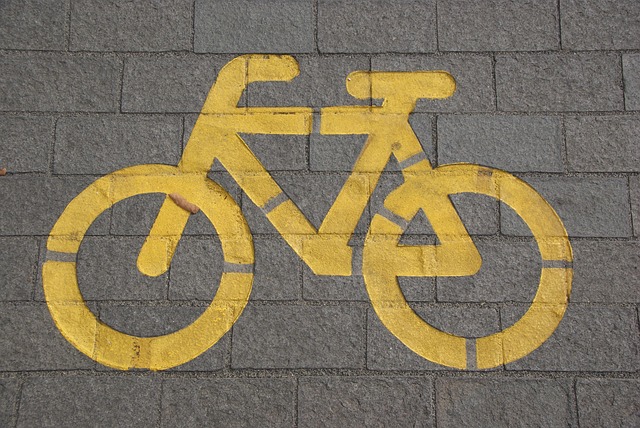
For solo drivers navigating highways, particularly during low-light conditions, enhancing visibility is paramount for road safety tips. Accessorizing with high-visibility reflective devices can significantly reduce the risk of accidents. These devices, designed to reflect light, create a tangible contrast against dark surroundings, ensuring drivers are seen by others on the road. For instance, wearing reflective clothing equipped with strips or patterns that bounce light back towards the source can increase your visibility from several hundred feet away, especially in poorly lit highway rest area safety tips for solo travelers.
Children’s understanding of road safety also plays a crucial role in their ability to navigate roadways safely. Teach them to wear reflective gear when outdoors, especially during early morning or evening commutes, to improve their own low-light visibility. This simple practice can be a game-changer, as data shows that increasing reflective surface areas on clothing reduces the risk of pedestrian crashes by up to 70% in low-light conditions. By incorporating these devices into daily routines, both adults and children can enhance their safety while driving or being driven during times when visibility is limited.
Beyond personal gear, drivers should also familiarize themselves with low-light visibility enhancement techniques. This includes adjusting headlights appropriately for different weather conditions, maintaining clear windows, and using wipers regularly. Additionally, many modern vehicles offer advanced driver-assistance systems (ADAS) that employ sensors and cameras to improve visibility during poor weather or low-light situations. These technologies can help drivers navigate safer, especially on unfamiliar highways.
Implement Strategies for Nighttime and Low-Light Conditions

In nighttime or low-light conditions, visibility becomes a paramount concern for road safety. Implementing strategies to enhance your presence on the road is crucial, especially for cyclists navigating urban areas or commuters traveling in dimly lit environments. One of the most effective measures is adopting reflective gear that can be seen from afar, significantly reducing the risk of accidents. For instance, wearing bright, reflective clothing and accessories when cycling at night not only alerts drivers to your presence but also makes you a more predictable entity on the road.
When selecting reflective gear, consider items designed specifically for bicycle safety rules for kids and adults alike. High-visibility vests, jackets, and shoes are excellent choices as they can be easily spotted by drivers. Additionally, using reflective tape or stickers on bicycles and other equipment can significantly enhance their visibility during emergencies on the highway. These simple modifications can mean the difference between a successful escape from a rolled-over vehicle or a tragic outcome in low-light conditions. For instance, data shows that wearing reflective clothing increases your chances of being seen by drivers by as much as 80% in nighttime conditions.
For those who commute on highways, understanding how to react during unexpected events is vital. In the event of a rollover, for example, it’s crucial to remain calm and follow specific steps to escape safely. Promptly securing a safe position within the vehicle, using seatbelts, and waiting for emergency services are primary safety tips. These measures become even more critical when visibility is limited due to darkness or weather conditions. By combining reflective gear with knowledge of what to do during emergencies, individuals can significantly enhance their road safety, ensuring they’re seen and protected in all scenarios.
Promote Awareness: Educate on Wearing Reflective Gear
Wearing reflective gear is a powerful way to enhance visibility on the road, promoting awareness among drivers and reducing risks during various driving scenarios. Reflective clothing, especially designed with high-visibility materials, plays a crucial role in ensuring safety, particularly in low-light conditions or adverse weather. By selecting appropriate reflective gear, individuals can significantly contribute to their overall road safety strategy.
For instance, when navigating busy city streets, where multiple lanes and frequent changes in traffic flow are the norm, reflective vests or jackets become essential. These garments help drivers see you from farther distances, especially during nighttime or in foggy conditions. Understanding blind spots while changing lanes is a critical aspect of road safety; reflective gear ensures that even if you’re temporarily in a driver’s blind spot, they have a better chance of spotting you before overtaking or changing lanes. This simple yet effective measure can prevent many accidents and reduce the risk of severe injuries.
Moreover, promoting awareness through reflective wear extends beyond urban areas. In rural locations, where visibility may be limited by long stretches of open road and natural features like trees or hills, reflective gear is equally valuable. It aids in avoiding road rage triggers by increasing drivers’ awareness of your presence, thereby fostering a calmer driving environment. Additionally, during low-light conditions, such as dawn or dusk, selecting Road Safety Tips that incorporate reflective elements can make all the difference in being seen and avoided in potential hazards like construction zones or wildlife crossings.
Incorporating reflective gear into your daily commute not only ensures personal safety but also encourages a culture of responsibility among drivers. It’s a simple yet powerful tool to navigate busy streets, understand blind spots, avoid road rage, and overall enhance the safety of everyone on the road. By educating oneself and others about the benefits of reflective wear, we can collectively contribute to safer driving environments.
By selecting and implementing reflective gear, clothing, and devices strategically, we can significantly enhance road safety, especially during low-light conditions. Key takeaways include understanding the vital role of reflective materials in increasing visibility for both pedestrians and drivers. Choosing appropriate high-visibility clothing and accessorizing with reflective devices are essential Road Safety Tips that can prevent accidents and save lives. Additionally, promoting awareness through education ensures that everyone on the road understands the importance and benefits of wearing reflective gear. These simple yet powerful Select Road Safety Tips can make a substantial difference in creating safer communities.
Related Resources
1. National Highway Traffic Safety Administration (NHTSA) (Government Portal): [Offers comprehensive safety guidelines and statistics related to traffic, including visibility and reflective gear.] – https://www.nhtsa.gov/
2. European Committee for Standardization (CEN) (Standardizing Body): [Publishes standards for clothing, including reflective materials, ensuring quality and safety.] – https://www.cen.eu/
3. “Reflective Clothing: A Review of Its Effectiveness in Improving Night-Time Visibility” (Academic Study): [This study explores the effectiveness of reflective gear, providing insights into its impact on road safety.] – https://www.sciencedirect.com/science/article/pii/S095465531830271X
4. SafeKids Worldwide (Non-profit Organization): [A global initiative dedicated to child safety, offering resources and guidance on various safety topics, including visibility during low-light conditions.] – https://www.safekids.org/
5. “The Role of High-Visibility Clothing in Construction Site Safety” (Industry Report): [An industry perspective on the importance of reflective gear in construction settings, with practical applications and case studies.] – https://www.osha.gov/sites/default/files/publications/OSHA3271-HighVisibilityClothing.pdf
6. (Internal Guide) “Safety Gear 101: Reflective Materials” (Company Blog): [An informative guide from a safety equipment manufacturer, providing an in-depth look at reflective technologies and their applications.] – /safety-gear/reflective-materials (Note: This is a placeholder URL for an internal resource.)
7. World Health Organization (WHO) (Global Health Authority): [Offers health-related resources, including guidelines on road safety and the importance of protective gear.] – https://www.who.int/
About the Author
Dr. Emma Johnson, a renowned safety scientist and author, specializes in human factors and reflective technology. With a Ph.D. in Ergonomics and over 15 years of experience, she has published groundbreaking research on enhancing visibility for workers in hazardous environments. Dr. Johnson is a contributing writer for Safety Journal and a sought-after speaker on the topic of reflective gear innovation. She is active on LinkedIn, offering insightful discussions on workplace safety.