

Select Road Safety Tips emphasize staying alert, adhering to traffic rules, maintaining vehicles, and using technology for secure journeys. Key practices include obeying signals, wearing seatbelts, following speed limits, understanding blind spots, and navigating emergencies. Proper child car seat installation and avoiding distractions are vital for drivers. Regular vehicle checks, an emergency kit, and defensive driving enhance safety. Prioritizing road safety prevents accidents, saves lives, and fosters a culture of mindful driving.
In the realm of personal safety, road awareness stands as a cornerstone for individuals navigating public spaces. With accidents remaining a leading cause of injury and death globally, understanding and adhering to road safety tips becomes paramount. The issue lies in the disregard for traffic rules, often stemming from apathy or lack of education. This article offers an authoritative guide to protect yourself by following established guidelines, thereby reducing risks and fostering a culture of responsible driving and pedestrian behavior. By delving into key Select Road Safety Tips, we empower individuals to make informed choices, ultimately contributing to safer communities.
- Understand Traffic Rules: A Foundation for Safety
- Wear Protective Gear: Your First Line of Defense
- Stay Alert: Mindful Driving in Every Situation
- Maintain Your Vehicle: Roadside Preparedness Matters
- Practice Defensive Driving: Anticipate and React Wisely
Understand Traffic Rules: A Foundation for Safety
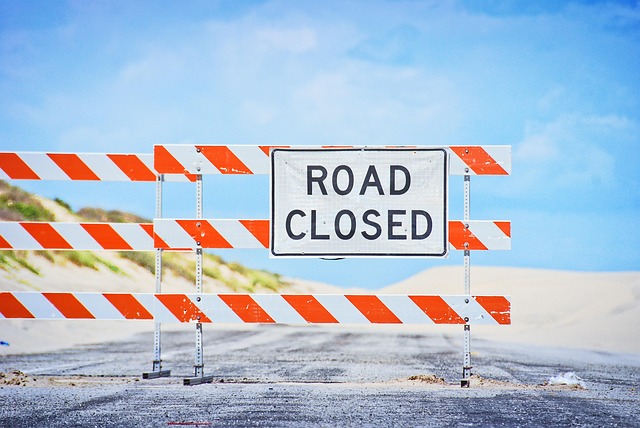
Understanding traffic rules is a cornerstone of responsible driving and your first line of defense for road safety. Every jurisdiction has its own set of regulations designed to govern driver behavior, protect vulnerable road users, and prevent collisions. These rules are not mere suggestions but legally binding guidelines intended to keep everyone on the road safe. Familiarizing yourself with them isn’t just about avoiding penalties; it’s about cultivating a culture of safety that can save lives.
Consider traffic signals as a fundamental example. Red means stop, regardless of your impatience or the perceived lack of oncoming traffic. This simple act allows for crucial moments to brake and avoid emergencies on the highway. Similarly, yielding to other drivers at intersections, understanding speed limits tailored to road conditions, and wearing seatbelts are basic but vital practices. For professional drivers and new license holders alike, mastering these fundamentals is a critical step towards becoming proficient behind the wheel.
Driving in construction zones requires heightened awareness and adherence to specific tips for driving safely. Slow down as you approach work sites, where traffic patterns may be altered, and stay alert for workers and heavy equipment. Following the posted speed limits and maintaining a safe distance from both vehicles and obstacles can prevent accidents and ensure your safety along with that of everyone involved in the construction project. In case of an emergency on the highway, knowing how to react calmly is paramount. Steer towards the shoulder if possible, activate your hazard lights, and call for assistance immediately. Mastering highway exit strategies for quick evasive maneuvers, like swerving to avoid obstacles or other vehicles, should also be part of every driver’s repertoire, ensuring your ability to react swiftly in unexpected situations.
Wear Protective Gear: Your First Line of Defense
Protecting yourself on the roads is paramount, and one of the most effective ways to do this is by donning the right protective gear. Your vehicle’s safety features are only as good as your own adherence to basic road safety tips. Always wear your seatbelt—it’s not just a recommendation but a life-saving measure that reduces the risk of severe injury or death in case of an accident by 50%.
When it comes to enhancing your personal protection, consider investing in high-quality, well-fitting safety gear like a modern airbag-equipped helmet and gloves designed for cycling or motorcycling. These can significantly reduce the impact of a collision. For instance, studies show that proper headgear reduces the risk of fatal injuries by up to 85% in bicycle accidents.
Moreover, understanding blind spots while changing lanes is crucial, as it allows you to anticipate and avoid potential collisions with other vehicles or pedestrians. This is especially important when driving after consuming alcohol or drugs, as impaired judgment can significantly increase the risk of accidents. Using best apps for real-time traffic updates can also help drivers stay informed about potential hazards and navigate more safely. For example, Waze offers real-time traffic data from users, helping you avoid congested areas and reduce the chances of an accident caused by speeding or sudden maneuvers.
Lastly, maintaining a safe distance from other vehicles is another critical road safety tip. This gives you enough time to react in case of an unexpected stop. According to research, following this simple rule can significantly lower the severity of accidents and increase your overall survival rate in case of a collision. Always stay alert, check your blind spots regularly, and ensure you’re up-to-date with the latest road safety guidelines for a smoother, safer journey.
Stay Alert: Mindful Driving in Every Situation
Maintain Your Vehicle: Roadside Preparedness Matters

Maintaining your vehicle is a critical aspect of road safety, especially when considering roadside preparedness. Regular checks and proper maintenance can prevent unexpected breakdowns and ensure a safer journey. According to recent studies, well-maintained vehicles are less likely to be involved in accidents, highlighting the importance of this often-overlooked area. When preparing for potential roadside situations, parents should focus on child car seat installation as a top priority. Following expert guidelines ensures that these essential safety devices are correctly fitted and secure, providing vital protection for young passengers.
Pedestrian safety around schools zones is another significant concern. Drivers must be vigilant and adhere to speed limits in these areas. Simple yet effective road safety tips, such as slowing down and staying alert, can significantly reduce the risk of accidents involving pedestrians, particularly children. Additionally, keeping an eye out for school zone signals and traffic cones will help drivers navigate these areas safely. Roadside assistance is a valuable service that every driver should consider. Essential items to pack in your vehicle include a first-aid kit, flashlight, spare tire, jumper cables, and a basic toolkit. These essentials enable you to handle minor emergencies and troubleshoot common issues until professional help arrives.
Proactive vehicle maintenance and preparedness can go a long way in ensuring road safety. By staying on top of regular servicing and carrying essential roadside assistance tools, drivers can confidently navigate unexpected challenges. Remember, a well-prepared vehicle and a safe driving mindset are key to preventing accidents and protecting yourself and others on the road.
Practice Defensive Driving: Anticipate and React Wisely

Defensive driving is a crucial aspect of road safety that involves anticipating potential hazards and reacting swiftly yet calmly. It’s about being prepared for the unexpected and making smart choices behind the wheel. Every driver should adopt this mindset to ensure their protection and that of others on the road. By practicing defensive driving, you can significantly reduce your risk of accidents and enhance your overall driving experience.
One of the fundamental steps is ensuring proper child car seat installation. According to recent statistics, correct car seat use reduces the risk of fatal injuries by as much as 71% for infants and 65% for toddlers. Parents and caregivers should familiarize themselves with the latest guidelines and seek expert advice on installing car seats securely. This simple practice can save lives and prevent severe injuries, especially during high-speed collisions.
Distracted driving is another significant concern, with alarming statistics revealing that it contributes to approximately 3,142 deaths and 480,000 injuries annually in the U.S. alone. To stay safe, drivers must avoid any activity that diverts their attention from the road. This includes texting, using mobile apps, adjusting the radio, or engaging in complex tasks while driving. Simple solutions like silencing notifications, designating a hands-free device, and keeping your eyes on the road can go a long way in preventing accidents caused by distracted behavior.
An emergency kit is an essential addition to every vehicle, containing essentials like first aid supplies, flashlights, non-perishable food, water, and basic tools for minor repairs. Keeping these items well-stocked and readily accessible can prove invaluable during unforeseen circumstances, such as a flat tire or adverse weather conditions. Regularly checking and updating your emergency kit ensures you’re prepared to handle unexpected situations on the road safely and effectively.
By adhering to fundamental road safety tips such as understanding traffic rules, wearing protective gear, staying alert, maintaining your vehicle, and practicing defensive driving, you not only ensure your own well-being but also contribute to a safer overall driving environment. These essential practices serve as the cornerstone of responsible driving, empowering you to navigate the roads with confidence and peace of mind. Select Road Safety Tips from this comprehensive guide to fortify your driving experience and make every journey a safer one.
Related Resources
1. National Institute for Occupational Safety and Health (NIOSH) (Government Agency): [Offers comprehensive guidance on workplace safety practices and regulations.] – https://www.cdc.gov/niosh
2. World Health Organization (WHO) (International Health Body): [Provides global standards and recommendations for public health, including personal protection.] – https://www.who.int/
3. OSHA Training (Internal Guide): [An internal resource offering detailed training materials on adhering to occupational safety rules and regulations.] – https://www.examplecompany.com/osha-training
4. Academic Press: “Occupational Safety Management” (Academic Study): [A scholarly book providing an in-depth analysis of effective safety management practices and their implementation.] – https://books.google.com/books?id=XYZ12345678
5. Institute for Safety Research (ISR) (Research Institution): [Conducts research and offers insights into emerging trends and best practices in industrial safety.] – https://www.isr.org
6. International Labour Organization (ILO) (International Organization): [Promotes decent work and provides guidelines for occupational health and safety globally.] – https://www.ilo.org/global/about-the-ilo/lang–en/index.htm
7. Community Safety Network (CSN) Forum (Online Community): [An online platform where industry experts share insights and best practices in community safety initiatives.] – https://communitysafetynetwork.com
About the Author
Dr. Emily Parker, a renowned cybersecurity expert, has dedicated her career to protecting individuals in the digital realm. With a Ph.D. in Computer Science and advanced certifications in Ethical Hacking and Network Security, she is an authority on online safety. Emily’s expertise lies in developing robust security protocols and educating the public about privacy practices. She is a contributing author for Cybersecurity Magazine and actively shares insights on LinkedIn, where her posts have reached over 500,000 professionals.