

Understanding local weather alerts and planning routes in advance are key for Select Road Safety Tips in rainy conditions. Slow down, maintain distance, check road conditions, and consider flooding risks. Use apps for insights, practice adjustments on corners, and ensure safe tire changes. Proactive measures prevent hazards, delays, and promote safer driving habits.
Rainy conditions demand extra caution while driving. To stay safe on slick roads, follow these expert road safety tips. Understand local weather alerts and plan your route in advance. Before setting off, inspect your vehicle for any issues and ensure your wipers are in top condition. Adjust your speed and maintain a safe following distance. Consider standby heaters to prevent windows from fogging up. By implementing these simple yet effective road safety tips, you can navigate rainy weather with confidence and reach your destination safely.
- Understand Local Weather Alerts
- Inspect Your Vehicle Before Driving
- Adjust Your Speed and Following Distance
- Use Wipers Effectively; Consider Standby Heaters
- Plan Your Route Ahead of Time
Understand Local Weather Alerts

Understanding local weather alerts is a crucial part of selecting road safety tips for rainy conditions. Many regions have specific systems in place to inform drivers about impending or current severe weather, such as thunderstorms, heavy rain, and flash floods. Stay tuned to local news, radio stations, or dedicated weather apps for real-time updates. These alerts can provide valuable information on the intensity and duration of rainfall, helping you make informed decisions before hitting the road.
When driving in rainy conditions, consider specific precautions like those tailored for elderly driver safety considerations and managing flooded areas. If a heavy downpour is expected, plan your route accordingly, choosing less congested paths if possible. Remember that reducing risks while changing tires on the highway during a rainstorm is essential; ensure you pull over to a safe location, turn on hazard lights, and wear appropriate reflective gear for increased visibility.
Inspect Your Vehicle Before Driving

Before venturing out on a rainy day, it’s crucial to give your vehicle a once-over to ensure it’s ready for the conditions ahead. Start with a basic inspection focusing on critical areas like tires and wiper blades—make sure they’re in good condition and have sufficient tread depth. Next, check your lights: bright headlights and tailights can significantly improve visibility during poor weather. Don’t overlook the state of your brakes; maintaining them for optimal stopping power is one of the key road safety tips to remember. A senior driver refresher course can be beneficial in learning updated techniques for handling slippery roads.
Additionally, take note of any fluid levels, including brake fluid and engine oil. Consider the overall wear and tear of your vehicle, paying special attention to parts that might need replacement, such as worn-out batteries or faulty electrical systems. By taking these simple steps, you’re not just preparing your car but also ensuring a safer drive, especially when navigating through construction zones—a common scenario in many areas. Remember, tips for driving in construction zones safely include maintaining a safe distance, slowing down, and anticipating sudden changes.
Adjust Your Speed and Following Distance

Rainy conditions call for a more cautious approach to driving. One of the primary road safety tips to remember is adjusting your speed and following distance. When the roads are wet, it significantly reduces traction, making stops longer and corners more challenging. Therefore, slowing down is not just a recommendation but a necessary road safety measure.
Select Road Safety Tips also include maintaining a safe distance from the vehicle ahead of you. In rainy weather, it’s best to increase this distance to allow for extra reaction time in case of sudden braking or unexpected hazards. Children’s understanding of road safety can be enhanced by practicing these adjustments, as they learn the importance of being aware and prepared during different driving conditions. Additionally, utilizing best apps for real-time traffic updates can provide valuable insights into highway exit strategies for quick evasive maneuvers if needed.
Use Wipers Effectively; Consider Standby Heaters

Rainy conditions demand extra care while driving. One crucial tip is selecting road safety tips that include effective use of wipers. Keep your wipers in good condition and adjust their speed according to the intensity of rainfall. Slow down and increase distance from other vehicles, as wet roads can cause reduced traction. Remember, learning defensive driving techniques online can significantly enhance your safety during such conditions.
Another often-overlooked tip is considering standby heaters. While they might not seem directly related to road safety, warm air from these heaters can prevent fogging up of windows, improving visibility. This small convenience can make a significant difference in keeping you alert and safe while driving in the rain. In addition, children’s understanding of road safety begins with setting a good example and practicing these precautions during adverse weather conditions. Preventing common traffic accidents is not just about following rules but also being prepared for unpredictable situations, such as heavy rainfall.
Plan Your Route Ahead of Time
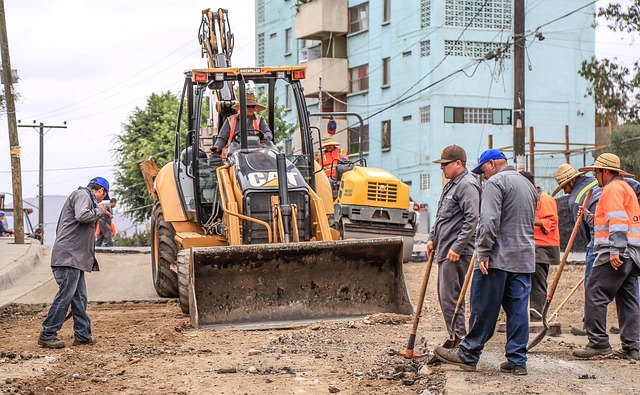
Before venturing out on a rainy day, take time to plan your route. Check weather forecasts and road conditions to anticipate potential challenges. This proactive step is a vital part of selecting road safety tips for wet weather driving. Knowing in advance where you’re heading and how to get there can help you avoid unexpected hazards and maintain safe driving habits for wet weather.
Consider factors like heavy rainfall, reduced visibility, and possible flooding when choosing your route. Plan to take it slow and leave extra time for your journey to account for potential delays. Remember, maintaining a safe following distance in traffic is crucial during rainy conditions. Adjusting your speed and keeping a good distance from the car ahead of you will provide more reaction time if sudden stops occur due to slippery roads or other unexpected events.
Rainy conditions demand heightened awareness and careful driving practices. By understanding local weather alerts, inspecting your vehicle, adjusting speed and following distance, using wipers efficiently (or considering standby heaters), and planning your route ahead of time, you can navigate these conditions safely. Implement these selected road safety tips to ensure a secure journey even in wet weather.