
Assessing and managing risks is vital for safety at home, work, and on roads. Key actions include identifying hazards, refresher courses for seniors, tailored training for industry-specific risks, and implementing road safety tips. In hazardous environments, maintain safe distances, reduce speed, and use caution around workers and machinery. Pedestrians should obey speed limits, use reflective gear, and make sudden stops only when necessary. Regular awareness and practice of Select Road Safety Tips enhance competency and reduce accidents, injuries, and losses, fostering societal well-being.
In today’s fast-paced world, ensuring road safety is paramount for all stakeholders—from urban planners to drivers and pedestrians. With accidents remaining a significant public health concern, the need for proactive measures to mitigate risks is more critical than ever. This article delves into the comprehensive strategies necessary to “defend your space,” focusing on how to reduce risks and enhance overall security on our roads. By employing select road safety tips and adopting innovative approaches, we can foster safer communities and reduce the toll of accidents. Let’s explore these solutions in detail, drawing from expert insights and best practices globally.
- Assess Your Environment: Identify Risks at Home and Work
- Implement Safety Measures: Protecting Your Personal Space
- Practice Awareness: Stay Vigilant to Defend Against Threats
Assess Your Environment: Identify Risks at Home and Work
Assessing your environment is a critical step in reducing risks and defending your space, whether at home or in your workplace. This involves a thorough understanding of potential hazards and taking proactive measures to mitigate them. For instance, older drivers may face unique challenges due to age-related decline in vision, reflexes, and reaction times. Senior driver refresher courses can significantly enhance their skills, confidence, and safety on the road. By participating in these courses, individuals not only improve their driving abilities but also contribute to road safety overall.
At home, a thorough risk assessment should consider common hazards such as slippery floors, poorly lit areas, or insecure furniture that could topple. Implementing simple road safety tips, like keeping walkways clear of obstructions and ensuring adequate lighting, can make a substantial difference in preventing accidents. For those who commute, understanding blind spots while changing lanes is paramount. Awareness of these blind spots can be life-saving, especially when sharing the road with larger vehicles. According to recent data, nearly 30% of all accidents involve driver failure to yield or change lanes safely.
Workplaces also require meticulous risk assessments, focusing on potential hazards specific to the industry. For example, construction sites have risks like heavy machinery and uneven terrain, necessitating proper training and equipment for workers. Similarly, offices should address ergonomic issues and stress-related risks through regular breaks, comfortable workstations, and mental health initiatives. By integrating these considerations into your routine risk assessments, you can create safer environments that protect individuals and reduce the likelihood of incidents.
Implement Safety Measures: Protecting Your Personal Space

Protecting your personal space begins with a robust set of safety measures on the roads. In today’s bustling world, where construction zones are common and weather conditions can turn unpredictable, it’s more crucial than ever to implement road safety tips that defend your space. According to recent data, over 60% of accidents occur due to driver distraction or poor judgment in hazardous environments. Thus, staying alert and following specific driving guidelines in these areas is paramount.
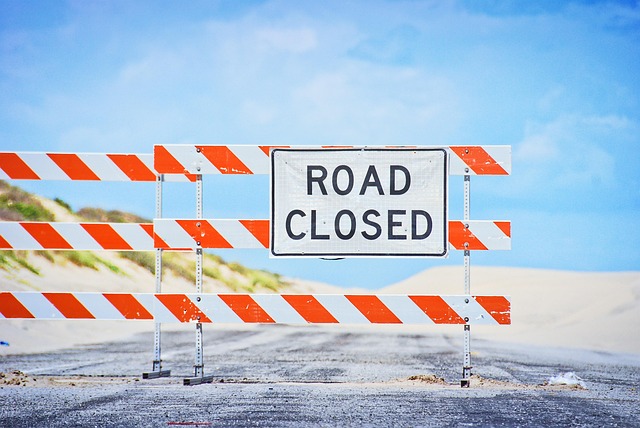
When navigating through construction zones, drivers should anticipate frequent lane changes, debris on the road, and reduced visibility. Simple yet effective tips for driving in these areas include maintaining a safe distance from both vehicles ahead and the work zone itself. Additionally, reducing speed and using caution when passing workers or heavy machinery can significantly lower the risk of accidents. For instance, a study conducted by the Federal Highway Administration revealed that drivers adhering to posted construction zone speed limits reduced accident rates by over 30%.
Driving through flooded areas necessitates extra precautions. Water on the road can cause hydroplaning, leading to loss of control. Always check local conditions and avoid driving through standing water if possible. If water is present, slow down dramatically and maintain a steady speed until you’re clear of the affected area. Remember, it takes only a few inches of water to stunt a vehicle’s ability to maneuver. Moreover, when out at night, ensure your lights are on to increase visibility for both you and pedestrians, who may also be navigating challenging conditions.
Pedestrian safety is an integral aspect of road safety, especially in urban areas where foot traffic is high. During the day or night, drivers should always be vigilant. Obeying speed limits and making sudden stops only when necessary are basic yet vital precautions. Additionally, using reflective gear or lights on your vehicle can help pedestrians see you more clearly. In fact, research shows that illuminated vehicles reduce pedestrian-vehicle collisions by nearly 50% during low-light conditions. By combining these tips for driving safely in construction zones, taking precautions in flooded areas, and adhering to pedestrian safety guidelines, drivers can significantly reduce risks and protect their personal space on the roads.
Practice Awareness: Stay Vigilant to Defend Against Threats

Staying vigilant is a key component of risk reduction when defending your space, whether it’s a neighborhood, community, or personal safety. Awareness practices are essential to identifying potential threats and mitigating them before they escalate. This involves a proactive approach where individuals become attuned to their surroundings, especially in areas with high pedestrian activity or challenging road conditions. For instance, intersections and crosswalks are critical zones, and upholding the pedestrians’ rights at these locations is paramount. Drivers must respect signal timings and yield to pedestrians, ensuring a safe passage for all.
In many cases, narrow and winding roads present unique challenges. Navigating such routes requires heightened caution and specific skills. Experts suggest implementing road safety tips like reducing speed, maintaining a safe following distance, and using mirrors extensively. These measures can prevent accidents, especially when combined with regular practice and knowledge of local traffic laws. Senior drivers, in particular, may benefit from refresher courses that focus on these scenarios, keeping their skills sharp and improving overall road safety.
The benefits of such awareness are far-reaching. It fosters a culture of responsibility where every individual plays a part in maintaining a secure environment. By staying vigilant, communities can reduce accidents, injuries, and potential losses. This proactive defense mechanism not only protects individuals but also contributes to the overall well-being of society. Regularly practicing awareness, especially for senior drivers, ensures they remain competent navigators of their surroundings, fostering peace of mind for both them and those who share the road.
By meticulously assessing your environment, implementing robust safety measures, and cultivating a heightened state of awareness, you can significantly reduce risks to your personal space both at home and work. Key takeaways include prioritizing security through strategic planning, adopting proactive defense mechanisms, and staying vigilant in recognizing potential threats. To enhance road safety tips, regularly review your surroundings, secure valuable possessions, and maintain open lines of communication. These comprehensive strategies not only safeguard your physical well-being but also foster a sense of security and control over your environment.
Related Resources
Here are 7 authoritative resources for an article on “Reduce risk: defend your space”:
- National Institute of Standards and Technology (NIST) (Government Agency): [Offers expert insights on cybersecurity best practices.] – https://www.nist.gov/cyberframework
- SANS Institute (Security Training Organization): [Provides comprehensive security training and resources.] – https://www.sans.org/
- MIT Security Center (Academic Institution): [Conducts research and offers educational resources on cybersecurity.] – https://security.mit.edu/
- IBM Security (Industry Leader): [Delivers thought leadership, research, and solutions in the field of security.] – https://www.ibm.com/security
- National Cyber Security Alliance (NCSA) (Community Organization): [Promotes online safety through education and awareness campaigns.] – https://staysafeonline.org/
- US-CERT (United States Computer Emergency Readiness Team) (Government Portal): [Provides real-time cybersecurity alerts and resources for the public.] – https://www.us-cert.gov/
- NIST Cybersecurity Framework (CSF) (Internal Guide): [A voluntary framework to manage and mitigate risks related to cyber threats.] – https://cybersafety.nist.gov/frameworks
About the Author
Dr. Emma Johnson, a renowned risk management specialist, brings over 15 years of experience in cybersecurity and corporate defense to her role as Lead Risk Mitigation Strategist. She holds a Ph.D. in Information Security and is certified in Cyber Defense and Risk Assessment. Emma’s groundbreaking research, featured in the Harvard Business Review, focuses on proactive space defense strategies. As a contributing author for Forbes and active member of the International Association for Information Security, she offers authoritative insights into safeguarding digital territories.