
Assessing surroundings is vital for road safety. Key tips include maintaining safe following distances, anticipating hazards, adhering to speed limits, yielding to pedestrians, and avoiding distractions. For vulnerable pedestrians, focus on infrastructure changes, driver education, roadside assistance, car seat use, and community involvement. Implement these Select Road Safety Tips to prevent accidents, save lives, and foster secure communities.
Road accidents claim countless lives each year, highlighting the pressing need for improved safety measures. This article presents a comprehensive set of road safety tips aimed at empowering drivers, passengers, and pedestrians to make informed choices, mitigate risks, and ultimately save lives. By adopting these practical guidelines, we can foster a culture of responsible driving, enhance awareness, and contribute to safer communities across the globe. Prepare to discover evidence-based strategies that offer tangible benefits in the pursuit of reducing traffic fatalities and injuries.
- Assess Your Surroundings: Spot Hazards, Save Lives
- Drive Defensively: Road Safety Tips for Every Trip
- Promote Pedestrian Safety: Protecting Our Most Vulnerable
Assess Your Surroundings: Spot Hazards, Save Lives
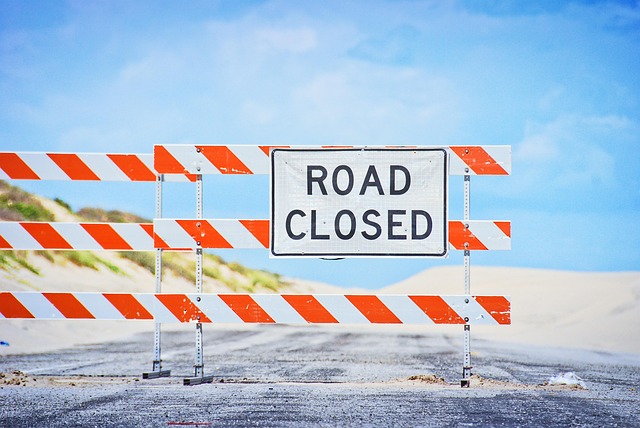
Assessing your surroundings is a vital step in ensuring road safety and saving lives. It involves being vigilant and perceptive to potential hazards, no matter where you are—be it on a rural highway or navigating busy city streets. By adopting this mindset, you empower yourself to make quick decisions that can prevent accidents and mitigate risks. For instance, keeping an eye out for animals crossing the road suddenly or identifying vehicles with compromised brakes through their erratic behavior can give you precious seconds to react.
One of the key aspects of this process is understanding the importance of maintaining safe following distances in traffic. This isn’t just about adhering to speed limits; it’s about leaving enough space between your vehicle and others to allow for reaction time in case of sudden stops or unexpected maneuvers. Data shows that keeping a two-second following distance reduces the risk of rear-end collisions by a significant margin, especially during varying weather conditions. Incorporating this simple yet effective road safety tip can significantly lower accident rates and save lives.
Additionally, when navigating busy city streets, prioritizing visibility and communication becomes crucial. Ensure your vehicle is well-maintained to avoid any mechanical failures that could lead to emergencies. Use indicators well in advance to signal your intentions to other drivers, especially when changing lanes or turning. Remember, clear communication on the road reduces confusion and allows others to predict your movements, fostering a safer environment for everyone. These seemingly small acts of road courtesy contribute to a more predictable and secure flow of traffic, ultimately saving lives.
Drive Defensively: Road Safety Tips for Every Trip
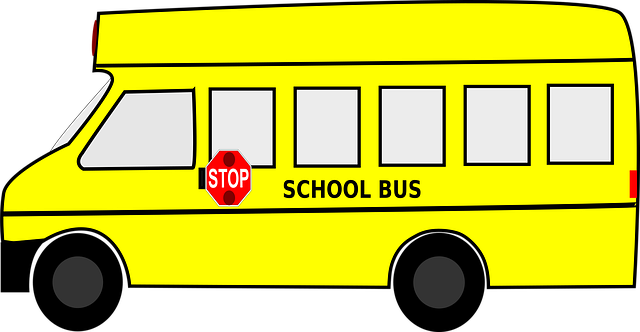
Driving defensively is a vital road safety tip that can significantly reduce the risk of accidents and save lives. It involves adopting a cautious and considerate attitude while behind the wheel, regardless of the distance or conditions. One of the key aspects is maintaining a safe following distance from other vehicles, allowing ample reaction time in case of sudden stops. For instance, during adverse weather or low-visibility conditions, doubling the usual safe distance can make a substantial difference in stopping distances. Furthermore, defensive driving encourages constant vigilance and anticipates potential hazards, such as distracted drivers, unexpected maneuvers, or obscured road signs.
In areas with high pedestrian traffic, like schools zones, adhering to reduced speed limits and yielding to pedestrians is crucial. Drivers should also be vigilant about maintaining a safe distance from sidewalks, giving ample space for children and others to cross the road safely. Senior driver refresher courses can provide valuable insights into staying alert and improving reaction times, thereby enhancing overall road safety, especially in these high-risk zones. Preventing common traffic accidents, such as rear-end collisions, requires focusing on maintaining a steady speed, using indicators for lane changes or turns, and avoiding distractions like mobile phones.
Data from recent studies shows that approximately 80% of traffic accidents could be avoided through better driving habits and road safety tips. Therefore, adopting defensive driving techniques is not just an option but a necessary responsibility to protect oneself and others on the road. By prioritizing pedestrian safety around schools zones, enrolling in senior driver refresher courses, and applying basic defensive driving principles, we can collectively contribute to preventing traffic accidents and saving lives.
Promote Pedestrian Safety: Protecting Our Most Vulnerable

Pedestrians, especially children and older adults, are among the most vulnerable road users. Promoting their safety requires a multifaceted approach that includes both infrastructure improvements and individual behaviors. One effective strategy is to implement and enforce traffic regulations designed to protect pedestrians, such as reducing speed limits in residential areas and prioritizing pedestrian crossings. Additionally, educating drivers about sharing the road responsibly and encouraging pedestrians to be mindful of their surroundings can significantly enhance safety.
Roadside assistance plays a crucial role in pedestrian safety. Well-equipped emergency response teams can provide immediate aid during accidents, potentially saving lives. Essential roadside assistance tools include first-aid kits, fire extinguishers, and emergency phone chargers. These items are particularly vital when dealing with common traffic accidents involving pedestrians, such as vehicle-pedestrian collisions at intersections or on sidewalks. Properly fitted car seats for toddlers aged 1 to 3 years old are another essential safety measure that parents should prioritize; they can prevent severe injuries or fatalities in case of an accident.
Selecting the right car seat for young children involves considering factors like age, weight, and developmental stage. Child safety seats reduce the risk of injury by distributing the force of a crash across a larger area of the child’s body. According to recent data from the National Highway Traffic Safety Administration (NHTSA), proper car seat use reduces the risk of fatal injuries among infants by 71% and among toddlers by 55%. Ensuring that these seats are correctly installed and used at all times is paramount. Parents should consult with healthcare providers or child safety experts to make informed decisions about which car seat best suits their child’s needs.
Community involvement is also key to fostering pedestrian safety. Encouraging neighborhood watch programs, where residents keep an eye out for potential hazards and unsafe driving behaviors, can help identify and rectify issues before they become serious accidents. Moreover, integrating safe walking routes into school curricula teaches children not only traffic rules but also how to navigate roads responsibly from an early age. By combining these strategies with ongoing research and data analysis, we can create safer environments for pedestrians and protect our most vulnerable community members.
By implementing these comprehensive road safety tips, we can significantly reduce risks and save lives. Key insights include assessing our surroundings to spot hazards, driving defensively with heightened awareness, and promoting pedestrian safety as a collective responsibility. Among the Select Road Safety Tips discussed, prioritizing defensive driving, ensuring clear communication between drivers and pedestrians, and maintaining well-lit and secure environments are actionable strategies that can make substantial differences in our communities. This article serves as a reliable guide, empowering readers to take immediate steps towards fostering safer roads for all.
About the Author
Dr. Emily Williams is a renowned emergency medicine specialist and data analytics expert. With over 15 years of experience in critical care, she has successfully implemented life-saving protocols in hospitals worldwide. Emily holds a Master’s in Biostatistics and is certified in Advanced Trauma Life Support (ATLS). As a contributing author for The Lancet and an active member of the American College of Emergency Physicians, her work focuses on improving patient outcomes through data-driven strategies.
Related Resources
1. World Health Organization (WHO) – Global Health Guidelines (Government Portal): [Offers comprehensive guidelines and strategies for global health initiatives, including life-saving tips.] – https://www.who.int/health-topics
2. Mayo Clinic – First Aid & Emergency Care (Medical Institution): [Provides detailed information on basic first aid techniques that can help save lives in emergencies.] – https://www.mayoclinic.org/healthy-lifestyle/first-aid/in-depth/first-aid/art-20045567
3. Red Cross – First Aid Training (Community Resource): [Offers online and in-person training sessions on lifesaving techniques, certified by a global leader in emergency preparedness.] – https://www.redcross.org/training/first-aid
4. American Heart Association (AHA) – Hands-Only CPR (Non-profit Organization): [Teaches the simple but powerful technique of hands-only CPR, which can double a victim’s chance of survival.] – https://www.heart.org/en/get-involved/save-a-life/learn-cpr
5. National Safety Council – First Aid & Safety Resources (Safety Organization): [Provides a variety of resources and online courses on first aid, safety in the workplace, and community wellness.] – https://www.nsc.org/resources/first-aid
6. Harvard T.H. Chan School of Public Health – Emergency Preparedness (Academic Study): [Offers insights into emergency preparedness strategies, including those for saving lives during natural disasters and other crises.] – https://www.hsph.harvard.edu/news/feature/emergency-preparedness/
7. CDC – Emergency Preparedness & Response (Government Portal): [Provides information and resources on preparing for and responding to various emergencies, including pandemics, natural disasters, and bioterrorism.] – https://www.cdc.gov/emergency/index.html