

Understanding traffic signs is vital for responsible driving and road safety. Key Select Road Safety Tips include adhering to speed limits, heightened caution in vulnerable areas, proper car seat selection, airbag safety, maintenance, respect for pedestrians and bicyclists, fatigued driving prevention, defensive driving courses, and staying updated on local laws. Exceeding speed limits increases crash risk significantly, emphasizing the importance of these tips for personal and collective well-being on the road.
Respecting traffic rules and following road signs is a fundamental aspect of responsible driving and a key element in ensuring road safety. Despite widespread awareness campaigns, many drivers still disregard these basic yet vital guidelines. This often leads to dangerous situations, contributing to accidents and potential injuries. To address this pressing issue, our article offers a comprehensive guide, emphasizing the importance of adhering to traffic rules. We will explore effective strategies, highlighting Road Safety Tips that can significantly reduce risks on the road. By the end, readers will gain valuable insights into their role in fostering a safer driving environment.
- Understand Traffic Signs: A Foundation for Safety
- Interpret Signals: Key to Compliant Driving
- Prioritize Pedestrians and Bicyclists: Shared Roads
- Adhere to Speed Limits: Crucial Road Safety Tips
Understand Traffic Signs: A Foundation for Safety
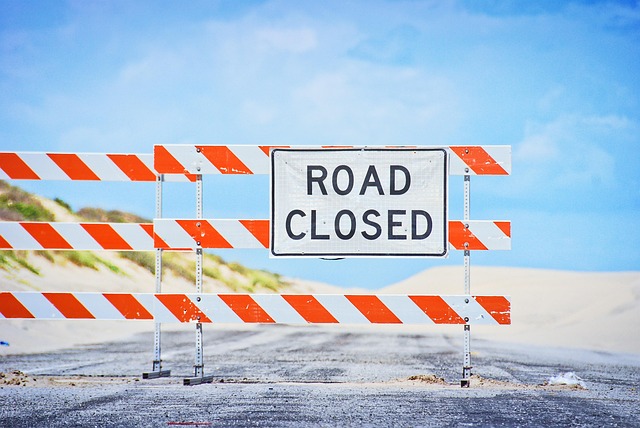
Understanding traffic signs is a fundamental aspect of responsible driving, forming the cornerstone of road safety practices. These signs serve as visual cues, guiding drivers through complex networks of regulations and ensuring everyone’s well-being on the roads. Each sign carries specific instructions or warnings, designed to prevent accidents, manage traffic flow, and protect both motorists and pedestrians. For instance, yield signs indicate a driver must slow down and be prepared to stop if necessary, while stop signs require a complete halt, allowing others to proceed.
To ensure optimal road safety, it’s crucial to interpret these signs accurately and promptly. Misunderstanding or ignoring them can lead to hazardous situations, including potential collisions and, in extreme cases, road rage. Avoiding these triggers requires not just awareness but also adhering to the rules they convey. For instance, speed limits aren’t suggestions; they exist to maintain order on the roads and prevent tragic accidents caused by excessive velocity. Similarly, signs indicating school zones or construction areas necessitate heightened caution due to potential hazards like children crossing streets or limited visibility for workers.
Selecting the appropriate car seat for toddlers is another critical road safety tip that aligns with this concept. Proper seating ensures their protection during emergencies, reflecting a proactive approach to preventing injuries and fatalities. Additionally, understanding airbag safety—how they deploy and precautions to take afterward—is essential, especially when traveling in older vehicles equipped with these life-saving devices. Data shows that correct airbag use reduces the risk of fatal injuries by up to 45% for passengers aged 13–74. By combining knowledge of traffic signs with proper vehicle maintenance and safety practices, drivers can contribute significantly to a safer motoring environment.
Interpret Signals: Key to Compliant Driving

Driving compliantly involves more than just obeying speed limits; it’s about understanding and interpreting every traffic signal for optimal safety. Key to this is recognizing the importance of signs, which serve as vital communication tools on the road. Every sign, from stop signals to yield markers, conveys critical information designed to keep drivers, pedestrians, and cyclists safe. For instance, a ‘Stop’ sign isn’t just a command; it’s a directive to ensure crosswalks are clear, preventing potential collisions. Similarly, speed limits aren’t arbitrary; they’re set based on data and studies to maintain a balance between mobility and safety, especially in areas with high pedestrian activity or school zones.
When driving, particularly during winter months when road conditions can be challenging, adhering to these signs becomes even more crucial. Safe winter driving practices every motorist should know include recognizing and heeding ‘Slow Down’ signs, which are often posted in snowy or icy regions to prepare drivers for reduced traction. Additionally, understanding the benefits of senior driver refresher courses can significantly enhance safety by keeping older drivers updated on evolving traffic rules and driving techniques. These courses not only refresh memory but also provide a support system for adapting to changing road conditions.
Child safety locks are another vital sign of responsible driving. Installation and maintenance of these locks are essential, especially in regions with strict laws regarding child passenger safety. A simple action like ensuring proper child safety lock usage can prevent accidental deployments while driving, safeguarding young passengers. Data shows that adhering to such safety measures reduces severe injuries and fatalities, underscoring the importance of continuous learning and adaptation in road safety, including regular participation in refresher courses for all age groups.
Prioritize Pedestrians and Bicyclists: Shared Roads

Respecting traffic rules and prioritizing pedestrian and bicyclist safety on shared roads is paramount for all drivers, especially during long drives or when carrying vulnerable passengers like the elderly. One of the fundamental aspects of road safety involves adhering to signs that guide and control traffic flow. These signs play a crucial role in preventing accidents, managing traffic congestion, and ensuring everyone’s well-being on the road.
When sharing roads with pedestrians and cyclists, drivers must remain vigilant and proactive. This includes slowing down in areas marked with speed limits and yielding to crosswalks or bike lanes. For instance, research shows that adhering to speed limits in residential zones can significantly reduce the severity of accidents involving pedestrians. Moreover, elderly driver safety considerations are paramount; they may take longer to react to sudden changes, so allowing ample space and time is essential.
Fatigued driving is another critical concern, particularly during long drives. Signs of fatigued drivers include heavy blinking, yawning, or difficulty focusing. If you notice these symptoms, it’s vital to pull over and rest. According to the National Sleep Foundation, staying awake for 24 hours can impair performance to a level similar to that of someone with a blood alcohol content of 0.10%, which is well above legal limits. Implementing coping strategies for long drives, such as scheduling regular breaks, staying hydrated, and maintaining proper lighting, can help prevent fatigued driving.
In congested areas or during peak travel times, drivers should anticipate slower speeds and be prepared to adjust their routes accordingly. This not only reduces the risk of accidents but also contributes to a more pleasant driving experience for everyone. Remember, road safety is a shared responsibility, and each driver has a role in ensuring the well-being of pedestrians, cyclists, and fellow motorists.
Adhere to Speed Limits: Crucial Road Safety Tips

Respecting traffic rules, particularly adhering to speed limits, is a cornerstone of road safety. Speed limits are established based on extensive research into driver behavior, vehicle performance, and accident statistics. Exceeding these limits significantly increases the risk of crashes, making them not just legal requirements but essential Road Safety Tips. For instance, according to the National Highway Traffic Safety Administration (NHTSA), speeding is one of the leading causes of fatal car accidents in the United States, accounting for nearly a third of all traffic fatalities.
Avoiding road rage triggers is another critical aspect of safe driving. Aggressive behavior from other drivers can escalate quickly, leading to dangerous situations. To mitigate these risks, drivers should maintain a calm demeanor, avoid sudden lane changes or blocking other vehicles, and never engage in physical altercations. Safe parking practices for secure vehicle storage are also vital. Park in well-lit areas, use car alarms, and consider using security devices like steering wheel locks to deter theft and vandalism.
Learning defensive driving techniques online can significantly enhance safety on the road. These courses teach drivers how to anticipate potential hazards, react calmly under pressure, and maintain a safe distance from other vehicles. For example, the Insurance Institute for Highway Safety (IIHS) offers comprehensive defensive driving programs that have been shown to reduce accident rates by up to 40%. Additionally, understanding local traffic laws and staying updated on road conditions can prevent many accidents. By combining these Road Safety Tips—adhering to speed limits, managing road rage triggers, practicing safe parking, and learning defensive driving techniques—drivers can contribute significantly to their own safety and that of others on the road.
By adhering to traffic rules, particularly following signs, drivers can significantly contribute to road safety. Understanding traffic signs, interpreting signals, prioritizing pedestrians and cyclists, and respecting speed limits are essential Select Road Safety Tips that form the foundation for a more secure driving experience. This article has underscored the critical importance of each of these elements in ensuring the well-being of all road users. Moving forward, drivers should commit to applying these key insights, fostering a culture of responsible and compliant driving that benefits everyone on the road.